
Teenage Stroke: When Recovery Feels Like Losing Yourself
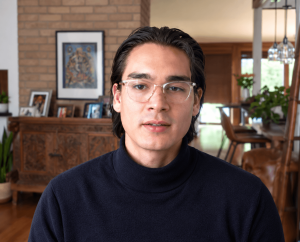
Benjamin Miller was 16 years old and playing football in Texas when a carotid artery dissection changed the course of his life on September 22, 2017. He didn’t know what a stroke was. He didn’t know that the word would come to define the years that followed not because of what it took from his body, but because of what it took from his sense of who he was.
Teenage stroke recovery is not what most people picture. The standard narrative runs like this: young brain, high neuroplasticity, rapid recovery, inspirational outcome. And in some ways, that’s true. The motor and language systems that stroke damages can rebuild quickly in an adolescent brain. But there’s a part of recovery that neuroplasticity doesn’t touch, and that’s identity.
Who Was Benjamin Before the Stroke?
He was a football player. In Texas, that means something. It means a community, a future, a sense of place in the social architecture of a town. When the stroke took that away, it didn’t just end a sport. It ended a version of himself that he hadn’t finished becoming.
“My soul was torn in half,” Benjamin said in this conversation with Bill Gasiamis. It’s one of those phrases that stops you not because it’s dramatic, but because it’s accurate.
“My soul was torn in half.” — Benjamin Miller, EP422
The stroke forced him to grieve something most 16-year-olds don’t have language for: the future self they were building toward. When that future collapsed overnight, he was left with a present he didn’t recognise and a past that no longer pointed toward anything.
Why Teenage Stroke Is Different
Teenage stroke recovery carries a layer of complexity that adult stroke recovery doesn’t always share. Adolescence is the developmental period in which identity is actively constructed; it’s not a fixed thing waiting to be restored. When stroke interrupts that process mid-construction, the survivor isn’t returning to who they were. They’re trying to become someone they haven’t yet figured out how to be.
Benjamin’s experience of turning to substance use during his recovery wasn’t a character failure. It was, as he articulates in this episode, an attempt to manage an identity fracture that nobody around him had the vocabulary to name. When the pain doesn’t have a name, people find their own ways to survive it.
This is one reason teenage stroke recovery deserves its own conversation separate from paediatric stroke outcome data, and separate from the adult recovery narrative. The emotional, psychological, and social dimensions are specific to this life stage.
You might also recognise elements of this in other episodes: the identity rupture that follows sudden stroke in a young person surfaces in Young Stroke Survivor Recovery and Identity Loss After Stroke. Benjamin’s story adds a dimension that’s less often named: what happens when the loss of identity happens before you’ve finished building one.
When the Brain Heals Faster Than the Self Can
Here’s something worth naming a phenomenon the clinical literature notes but rarely centres in recovery conversations.
Adolescent neuroplasticity is real. Benjamin’s brain had the capacity to rebuild physical and linguistic function faster than an older adult’s would. But neuroplasticity is a structural property of the brain. It doesn’t extend to the psychological work of integrating a traumatic experience into a developing sense of self.
The result is a gap, sometimes a wide one, between the physical recovery that others can see and the internal recovery that isn’t visible at all. Benjamin appeared to be “doing well” in many respects while internally carrying a fracture that hadn’t been addressed.
This gap is one of the least-discussed aspects of teenage stroke recovery. If you’ve experienced it, or watched someone you love experience it, it may be the most important thing in this episode.
The Road Back And What It Actually Looks Like
Benjamin’s memoir, Ed and I, available on YouTube, traces this journey. What comes through clearly in his conversation with Bill is that the path forward required him to walk through the things he’d been managing around the grief, the identity loss, the fracture itself.
Recovery, in his telling, doesn’t take you back to who you were. It takes you through who you are now.
That reframe from restoration to transformation is one that many stroke survivors eventually arrive at. Bill’s book The Unexpected Way That A Stroke Became The Best Thing That Happened documents ten tools for exactly that kind of recovery.
For more episodes touching on identity and recovery: Emotional Recovery After Stroke Mistakes, Identity After Stroke — Cassie Jewell, Stroke With No Warning Signs — Tom Ballo, Losing Confidence After Stroke, and Stroke Brain Healing Neuroplasticity.
Listen to EP422
This episode doesn’t pretend that recovery is a clean arc or that there’s a single turning point you can point to. What it offers instead is something more honest: the lived texture of finding yourself again when you’re not sure who you’re finding your way back to.
Listen to EP422 of the Recovery After Stroke podcast wherever you listen.
If a stroke or any trauma has made your world feel smaller, Bill’s new book Your World Doesn’t Have to Stay This Small is a practical guide to rebuilding your life, even when you’re not ready. Find it on Amazon at mybook.to/yourworld.
If this show has helped you, you can support it at patreon.com/recoveryafterstroke.
This blog is for informational purposes only and does not constitute medical advice. Please consult your doctor before making any changes to your health or recovery plan.
Benjamin Miller on Identity, Substances, and Finding His Way Back
“My soul was torn in half.” Benjamin Miller had a stroke at 16 and lost more than football here’s how he found his way back.
Highlights:
00:00 Introduction – Teenage Stroke
09:01 The Day of the Stroke
11:56 The Loss of Identity
17:12 Coping Mechanisms: Alcohol and Escapism
22:37 COVID-19: A Blessing in Disguise
28:57 The Journey of Healing Begins
32:40 Facing Uncomfortable Emotions
38:45 Spiritual Awakening Through Adversity
42:34 The Power of Breath and Movement
47:35 Building Community in Recovery
55:39 Finding Belonging and Understanding
59:12 Creating a Path for Self-Healing