Stroke Recovery Doesn’t Have to Be Lonely. Get Support and Build a Better Future.
If you're a stroke survivor or caregiver feeling lost after discharge, you're not alone. I'm Bill Gasiamis - I survived three strokes and know how confusing recovery can be. That's why I created a hub of support, guidance, and community you can access from home - so you don't have to navigate this journey alone.
"I had a very unusual talk with my mother yesterday in that this was the first call in years where she was so relaxed and so happy with her day and it was clearly due to her conversation with Bill (and his cat)."
Maureen D., Professional Therapist
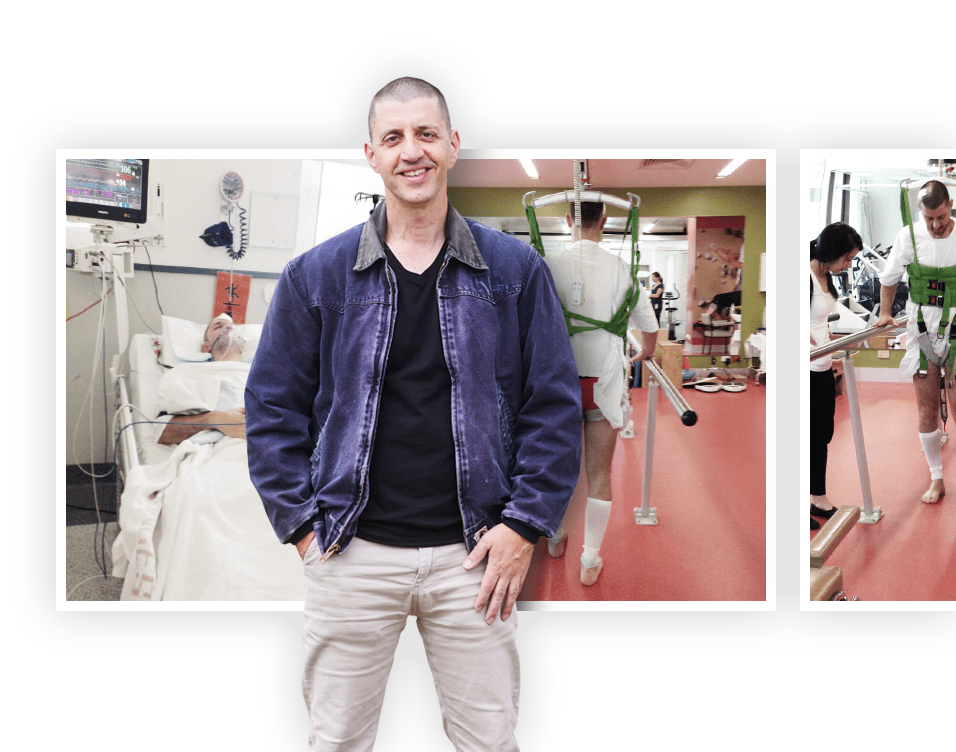
Bill Gasiamis
Stroke Survivor, Podcaster Speaker, Educator
Not Sure Where to Start? Pick Your Path.
Every recovery journey looks different. Whether you need free guidance today or ready to be one-on-one with Bill, there's a path for you.
Join The Recovery Community on Patreon
Become a paid member and get instant access to the Recovery Companion, an AI trained on Bill's 400+ podcast episodes and his book. Your support covers the costs of running the podcast and keeps new episodes coming for survivors and caregivers.
Your membership keeps the podcast going for years.
Keep This Show GoingOne-on-One Recovery Coaching
Work directly with Bill, a three-time stroke survivor who's walked this exact road, through private one-on-one video calls.
Get a plan built around your recovery, your pace, and your goals — not a generic checklist
Explore Recovery CoachingWant to be a Guest on the Podcast?
Share your story and experiences about stroke recovery.
About Bill Gasiamis
By age 40, I had survived three hemorrhagic strokes and brain surgery. What followed was even harder leaving the hospital with no clear romap, overwhelmed by fatigue, isolation, and fear that life as I knew it was over.
I was a father of two, running a successful business, and suddenly I was starting from scratch physically, mentally, and emotionally. Through years of trial and error, I discovered practical strategies that helped me recover faster than anyone expected. I rebuilt my health, rewired my mindset, and reconnected with a deeper purpose.
Today, I'm the host of the Recovery After Stroke podcast, the author of The Unexpected Way That a Stroke Became the Best Thing That Happened, and a stroke recovery coach. My mission is to help you navigate recovery with more clarity, confidence, and support than I ever had.
Whether you're newly diagnosed or still feeling stuck months or years after stroke, I'm here to help you take charge of your recovery, reconnect with who you are, and start building a life that feels good again.
Frequently Asked Questions
Stroke survivors and their caregivers/carers who are navigating life after a stroke, especially after leaving the hospital and feeling unsure of next steps.
Bill is a three-time stroke survivor, podcast host, author, speaker, and stroke recovery coach who built this platform from his own recovery experience.
It's a 1-on-1 coaching offering you apply for, aimed at giving personalized guidance, clarity, and support through recovery. Specifics of format/pricing aren't listed on the homepage — you'd find those after applying or booking a call.
There's a "Book a 1-1 Call Now" option in the main navigation, plus a short intake quiz that asks whether you're a survivor or caregiver and routes you to a booking calendar.
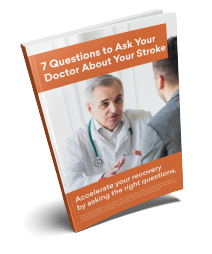
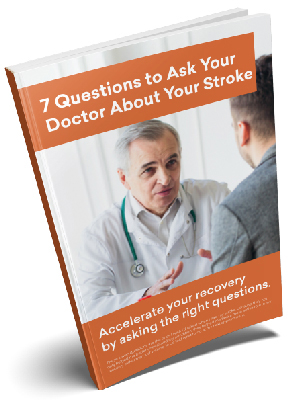
Yes — there's a free downloadable ebook ("7 Questions to Ask Your Doctor About Your Stroke"), a podcast with survivor stories, and educational content/courses.
It features interviews with stroke survivors and caregivers sharing their recovery journeys, warning signs, setbacks, and what helped them.
Yes — there's an "Apply to Be a Guest" option for people who want to share their stroke story.
Yes, there's a login/community area referenced in the footer for ongoing connection with other survivors and caregivers.
Yes — the intake quiz explicitly separates paths for "I'm a stroke survivor" vs. "I'm a caregiver," with different follow-up questions for each.
No — the site links to a Medical Disclaimer, so it should be treated as coaching/community/educational support alongside, not instead of, professional medical treatment.