
Introduction: When the Unimaginable Happens
Most women expect pregnancy to be filled with joy, anticipation, and the occasional craving. But for a small percentage, pregnancy also brings a terrifying and unexpected health crisis: stroke when pregnant.
It’s a phrase that sounds almost contradictory—how could something as life-giving as pregnancy lead to something so dangerous? And yet, for women like Emily Sarah Gable, it became a shocking reality. Her story isn’t just about misdiagnosis and survival—it’s about resilience, emotional recovery, and rebuilding a life with purpose.
If you or someone you love is navigating pregnancy and stroke, this post is for you.
Can You Really Have a Stroke During Pregnancy?
Yes, stroke during pregnancy is rare, but it does happen. It’s most common in the third trimester or postpartum period, but as Emily’s case shows, it can also strike earlier. She was 23 weeks pregnant when her cerebellar stroke struck, initially misdiagnosed as sinusitis.
Medical research indicates that the risk of stroke increases during pregnancy due to changes in blood volume, clotting factors, and blood pressure. Some women also experience conditions like preeclampsia or factor V Leiden that further increase the risk.
Recognizing the Signs: Pregnancy Stroke Symptoms
Stroke symptoms can be tricky to recognize, especially during pregnancy, when fatigue and dizziness are common. However, certain red flags shouldn’t be ignored. Here are some stroke while pregnant symptoms to watch for:
- Sudden dizziness or vertigo
- Loss of coordination
- Slurred speech or facial droop
- Severe headache
- Tingling or numbness (especially on one side)
- Sudden vision changes
- Inability to swallow or speak clearly
In Emily’s case, she experienced intense vertigo, vomiting, and sensory confusion, classic stroke in pregnancy symptoms that were tragically dismissed.
Misdiagnosis and Medical Gaslighting: A Common Reality
One of the most troubling aspects of Emily’s experience was the dismissal by medical professionals. She was told she had sinusitis, scolded for choosing a home birth, and even mistakenly treated for preeclampsia with no confirmation.
This reflects a deeper issue: many women face medical bias or dismissal during pregnancy, especially when reporting unusual or severe symptoms. That’s why awareness of what causes a stroke during pregnancy is critical—not just for patients but for providers.
After the Storm: Pregnancy After Stroke
Recovery from a stroke when pregnant is not just physical, it’s emotional and spiritual, too. Emily spent weeks in hospitals and rehab, lost her ability to swallow, experienced left-side numbness, and lived with lasting neurological deficits.
But she also found strength in healing modalities like Iyengar yoga, massage therapy, and body rolling. She eventually gave birth to a healthy baby, rebuilt her physical capacity, and became a teacher and healer herself.
Her experience reminds us that pregnancy after stroke is possible, and that recovery is about more than just function. It’s about reclaiming agency, peace, and identity.
Heat Stroke During Pregnancy vs. Cerebrovascular Stroke
It’s important to distinguish between heat stroke during pregnancy and the kind of stroke Emily experienced. Heat stroke is caused by elevated body temperature due to extreme heat or overexertion. Cerebrovascular strokes, like ischemic or hemorrhagic strokes, are caused by blood clots or bleeding in the brain.
While both require medical attention, their causes, treatments, and risks are very different.
What About Stroke During Labor?
Another critical time for stroke risk is stroke during labor. The physical exertion and hormonal changes can sometimes trigger a stroke, especially in women with underlying risk factors. While rare, the outcomes can be life-altering for both mother and child.
Rebuilding: Recovery, Support, and Community
Emily went 11 years without ever talking to another stroke survivor. That kind of isolation is more common than we think, especially when the stroke happens during a time that’s already emotionally and physically complex.
That’s why creating spaces for connection, like the Recovery After Stroke podcast, is so vital. For anyone recovering from stroke when pregnant, the community is just as important as rehab.
Final Thoughts: You’re Not Alone
If you’re reading this and you’ve had a stroke, or you’re terrified it might happen, you’re not alone. Emily’s story is proof that the human body can endure incredible things. It’s also a reminder to advocate for yourself, ask questions, and trust your instincts.
Stroke during pregnancy is rare. But with education, community, and persistence, recovery is possible, and life after stroke can be beautiful.
Stroke While Pregnant And A Terrible Bedside Manner
Emily reached out to the Recovery After Stroke podcast to raise awareness by sharing her story about recovery from stroke and her doctor’s terrible bedside manner.
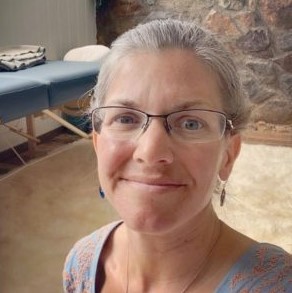
These days, Emily is a massage therapist, and you can find out more by visiting her website here: http://bodysustainability.com.
Follow Emily on Instagram
Discover how stroke recovery coaching can help you. Click here.