Falls Prevention After Stroke: What the Latest Research Reveals About Staying Safe and Mobile
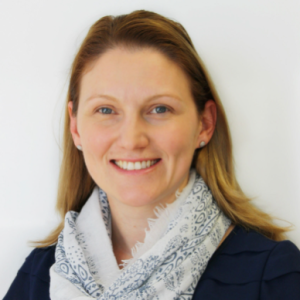
For many stroke survivors, the fear of falling is a constant companion. It’s there when you get up from the couch, when you navigate the kitchen, when you try to walk further than you did yesterday. That fear is rational, falls after a stroke are common, and their consequences can be serious. But according to Associate Professor Kate Scrivener, a stroke rehabilitation researcher at Macquarie University, that fear doesn’t have to define your recovery.
In Episode 409 of the Recovery After Stroke podcast, Kate returns to the show where she first appeared in Episode 257 to discuss her HiWalk walking program and share the results of two major research projects: the published Phase II results of HiWalk, and a new systematic review focused specifically on exercise-based falls prevention after stroke.
Who Is Kate Scrivener?
Associate Professor Kate Scrivener leads stroke rehabilitation research at Macquarie University in Sydney, Australia. Her work sits at the intersection of real-world clinical practice and rigorous research. She doesn’t just study stroke recovery, she designs and tests the programs that can change it. Kate first appeared on this podcast to talk about HiWalk, a high-dose walking intervention designed to push the limits of what long-term stroke survivors can achieve. Now, with the results published, she’s back to talk about what the data actually showed and what it means for survivors who want to reduce their fall risk.
The HiWalk Results: What Happened When 47 Survivors Walked Hard
HiWalk was built on a straightforward but ambitious premise: what happens if stroke survivors, who have been living with their disability for years, are given a truly high-dose walking program? Not a gentle weekly session, but 43 hours of structured walking across just three weeks.
The Phase II randomized trial enrolled 47 participants and produced results worth paying attention to.
Attendance was 91%. Retention was 98%. For a physically demanding trial involving chronic stroke survivors, those numbers are remarkable, and they tell their own story about what survivors are capable of when given a real opportunity.
For participants who were not already in active rehabilitation at the time of the trial, walking speed improved by 0.24 metres per second, a clinically significant gain. Self-efficacy, a measure of how confident participants felt in their own ability to walk and function, also improved significantly.
The overall group walking speed trend was positive but did not reach statistical significance across the full cohort, partly because HiWalk was a Phase II feasibility trial, designed to test whether the program could be delivered safely and whether participants would complete it. It was not powered to detect large group-wide effects. What it demonstrated is that this kind of high-dose program is feasible, achievable, and produces real gains for the right participants.
Why Falls Prevention After Stroke Is Harder Than It Sounds
Falls after stroke are not simply a balance problem. They involve fatigue, reduced sensation, spasticity, cognitive changes, and the interaction between all of those things in the unpredictable terrain of daily life. Most stroke survivors are told to be careful. Very few are given a structured, evidence-based program designed specifically to reduce their risk.
Kate’s systematic review, published in Clinical Rehabilitation in 2026, searched the global literature for exercise-based trials targeting falls prevention in community-dwelling stroke survivors. Only three trials worldwide met the inclusion criteria.
That number alone says something significant. Falls after stroke are widely acknowledged as a major problem. The research base for solving it is thin.
Of the three trials identified, exercise trended toward reducing the rate of falls, but the effect on the total number of people who fell was less clear. The standout result came from the FAST trial, which reduced fall rates by 33%. All three qualifying trials were conducted in Australia, raising important questions about whether these findings can be replicated in different healthcare systems with different levels of access to physiotherapy and structured exercise.
What This Means for Stroke Survivors Right Now
Kate’s research points to two things survivors and their families can act on.
First, walking intensity matters. The HiWalk results suggest that long-term survivors who have plateaued in conventional rehabilitation may have more capacity than they or their clinicians assume. High-dose, structured walking appears to produce gains that lower-intensity programs don’t reach. If you’re a survivor who has been told to keep active but hasn’t been given a specific, progressive program, that’s worth a conversation with your physiotherapist.
Second, exercise for falls prevention works, but it needs to be the right kind, delivered consistently. Gentle movement is valuable. But the evidence base Kate’s review maps out points toward structured, progressive exercise as the mechanism that shifts fall rates meaningfully. The FAST trial’s 33% reduction didn’t come from telling people to be more careful. It came from changing what they were physically capable of doing.
Bill’s book, The Unexpected Way That A Stroke Became The Best Thing That Happened, explores the tools and mindset shifts that underpin a recovery built on action rather than waiting. You can find it at recoveryafterstroke.com/book.
The Gap Between Research and Practice
One of the most important threads in this conversation is the distance between what the research supports and what most survivors actually receive. Kate’s systematic review found only three qualifying trials globally. HiWalk’s feasibility results are published, but the next step, a large-scale Phase III trial, requires funding, time, and institutional will.
For survivors, that gap can feel frustrating. The science is pointing in a clear direction. The programs aren’t yet widely available. Kate’s work is part of closing that distance.
Listen to the Full Conversation
Episode 409 with Associate Professor Kate Scrivener is available on all major podcast platforms, search Recovery After Stroke and on the Recovery After Stroke YouTube channel.
If this show has helped you on your recovery journey, you can support it financially at patreon.com/recoveryafterstroke.
This blog is for informational purposes only and does not constitute medical advice. Please consult your doctor before making any changes to your health or recovery plan.
Walking More, Falling Less – A Researcher’s Mission to Stop Stroke Survivors Hitting the Ground (Interview)
Researcher Kate Scrivener on why falls after stroke aren’t inevitable — and what high-dose walking programs can change.
Highlights:
00:00 Introduction – Falls Prevention After Stroke
07:04 Effectiveness of Rehabilitation for Non-Therapy Patients
13:01 Falls Risk and Prevention Strategies
20:53 Tailoring Exercise Programs for Individual Needs
26:48 Barriers to Implementing New Treatments
35:23 The Importance of Patient-Centered Research
41:32 Future Directions in Stroke Rehabilitation
Transcript:
Introduction – Falls Prevention After Stroke
BIll Gasiamis (00:00)
Well, hello everyone. Welcome to Recovery After Stroke. I’m Bill Garciamas. Today’s guest is someone who has been on the show before, and I’m glad she’s back because the last time we spoke, she was in the middle of a research program that I thought had real potential to change things for long-term stroke survivors. Now the results are in. Associate Professor Kate Scrivener is a stroke rehabilitation researcher at Macquarie University in Sydney, Australia.
Her work focuses on what happens to survivors after formal rehabilitation ends, what’s possible, what the research actually supports, and what the gap looks like between current clinical practice and what survivors could be doing.
In episode 257, Kate joined me to talk about High Walk, a high-dose walking program she designed for people living with chronic stroke. In this episode, she returns to share the published phase two results of that trial and to discuss her new systemic review on exercise-based false prevention after stroke. That review searched the entire global literature and found just three qualifying trials.
That number tells you a lot about where the research is and why conversations like this matter. We cover the high walk data, what 43 hours of walking over three weeks produced in 47 participants, what the fast trial found about reducing fall rates, and what survivors can actually do right now based on the evidence. If you’ve found this podcast useful on your own recovery journey, I’d love for you to pick up a copy of my book.
The unexpected way that a stroke became the best thing that happened. You can do that at recoveryafterstroke dot com slash book. It’s the story of my stroke and ten tools that shaped my recovery. And if this show has helped you, you can support it financially at patreon dot com slash recovery after stroke.
Every contribution keeps the podcast going.
BIll Gasiamis (02:00)
Associate Professor Kate Scrivener. Welcome to the podcast.
Kate (02:04)
Nice to be back, Bill.
BIll Gasiamis (02:07)
Nice to have you back. Last time you were on, we spoke about a project that you were working on called High Walk, which was at the early stages of the project, was which was about determining whether or not people who did more rehabilitation in a short amount of time, like and a a you’ll tell me exactly what the words are in a minute, whether they were going to benefit from that type of protocol.
As far as how that would impact their walking after stroke. and it was in the very early days, it was in the recruitment phase of the project that we spoke about it. We were hoping to recruit some people in Melbourne to come on and participate in the study. Can you give me a little bit of a rundown of what happened after you did recruit people and actually ran the study and what the study found? And then we’ll go into talking about.
One of your most recent studies that you’ve just released and has been published.
Kate (03:10)
Yeah, thanks very much, Bill. So we have we were successful, you helped us a lot because we definitely found some stroke survivors in Melbourne who tried the program with us. And so we ran the study
BIll Gasiamis (03:26)
Okay, so just a bit of context for everyone who missed the first episode with Kate. High Walk was a structured walking program delivered in the community, not in a hospital, not in acute rehab, but for stroke survivors who had already been discharged and were living their lives. The format was three hours a day, five days a week for three weeks. Forty-three hours of walking training in total. The question was simple.
Would people actually do it and would it help? Now I’ll link to the published paper in the show notes.
Kate (04:02)
with 47 stroke survivors. I think it’s really important to remind you that this was set in the months and years following stroke. So in the community.
when people had been discharged, most of them had been discharged from their other rehab. And we offered a very intensive program to try and improve their walking. We offered three hours a day, five days a week for three weeks. And on purpose really wanted to do something different and try an extreme, well it’s not extreme, but try a very high dose program. And our first finding,
was actually that people could do the program. So they really attended 91 % of the session and did over 500 exercise reps or steps of walking for every hour of the program. So I have to say that honestly I was surprised. I thought we might find that they’d attend some of the program but not
at all to the degree that they did, which was just fantastic.
BIll Gasiamis (05:17)
What what is it
about that that you found surprising? Now, I’m okay with people making assumptions, whether they’re researchers in stroke, whether they’re doctors dealing with stroke survivors, but I just really want to kind of get an understanding of where people what the perception of stroke survivors are out there. Cause I know that we look some of us look really injured and and have deficits that are obviously visible, and then there’s the
neurological deficits that people experience that you can’t see but people understand like can cause lack of commitment to exercise and all that type of thing. W what is it from your perspective that you think makes people underestimate stroke survivors?
Kate (06:05)
I do think three hours a day, every day is a big commitment. And when we spoke to the stroke survivors, they definitely talked about that, about needing to adjust the other things in their life, which may be work, maybe their other appointments, you know, all sorts of things in order to fit the program in. And anytime you do a study like this, where you’re really testing the concept, you’re testing the feasibility,
you’re trying to learn, you know, would they put, would people put aside their life for three weeks and commit to this three hour a day program? And I, you know, we, that’s why we test it within the trial to see if that is something that people would do. Do they feel that it would be value, it was valuable and it was worth giving up their time for?
Effectiveness of Rehabilitation for Non-Therapy Patients
Would they do it again? All of those kind of questions, which is really trying to shake up the norm in what is offered to people in the months and years after their stroke. Because who’s to say people should have access to no therapy? Who’s to say people should see a physio now and then? Maybe this kind of model of really working hard towards a goal for a short time.
is actually much more suitable and preferred by stroke survivors.
BIll Gasiamis (07:35)
I love it. I think it’s preferred because a lot of stroke survivors have got heaps of time on their hands. And we’d love to fill that time in. But also to be helpful. What I found, Kate, is there so many stroke survivors want to help other stroke survivors. And if they can be involved in a study that does that, they get excited. But also they see it as a cheap way to get into a program that they otherwise would not have gone. Now, what I say cheap, like that.
Kate (07:41)
sounds.
BIll Gasiamis (08:03)
an easy access way because sometimes get to get exercise fund funding for an exercise program is huge. to get back into a program after you’ve fallen out is difficult. And stroke survivors just look for any opportunity to be involved in a program, even if it’s going to test them. But what I love about it, it’s testing them, but it’s kind of done under supervision. So I think it’s a very safe environment for people to be involved in.
And I think that makes it a little bit easier to commit.
Kate (08:35)
Yeah, I think the first thing that you said really resonates, you know, even when people would ring me to volunteer or find out about the trial, their keenness to give it a go, their keenness to try something different and improve their walking was incredibly obvious. And most people really were very keen to participate, which was fantastic.
We definitely, you know, I think having that scaffolded, supported program was really important and we had very few adverse events. you know, there were, I won’t say there were none, there were a few times where people came back, we saw muscles and things, considering the amount of people and the amount of exercise they did, it was really very few. So I think we’re pretty confident that running it in that way is safe.
BIll Gasiamis (09:31)
Yeah. Well in total I think it was forty three hours of walking in three weeks.
Kate (09:37)
Correct, yeah.
BIll Gasiamis (09:38)
Yeah, that’s a massive effort for anybody really. Forty three hours, three weeks. I mean, most people don’t do anywhere near that, I don’t think.
Kate (09:43)
Thank you.
Correct.
BIll Gasiamis (09:48)
So there was an improvement, right? There was an improvement in walking speed. But what does that actually mean in someone’s life, especially a stroke survivor?
BIll Gasiamis (09:58)
Walking speed sounds like a pretty dry measure, but the reason researchers use it is because it maps almost directly onto what you can actually do in your life. There are established cutoffs, specific speeds that determine whether you can walk only around your house, whether you can get outside in your neighborhood, or whether you can move freely in the community. So when Kate talks about improvements in walking speed, she’s really talking about what
Doors open up for you.
Kate (10:30)
Yeah, so walking speed is a pretty cool measure actually. And it’s why we pick it because it seems pretty objective and pretty black and white. You you can walk faster. That’s great. But there’s actually been a lot of work to show that that carries over to what people can do in their life. So we’ve got some pretty clear speed cutoffs, which mean you’ll only be able to walk around your house. However, if you can get past the cutoff, you can start to walk.
outside in the community and if you get past the next cutoff you can actually walk more freely in the community. So it is really closely associated with what people can do which is why we picked it. And look the results were promising, they definitely were, but we learnt a really big lesson and that was
And again, this is exploratory in this kind of early study, but what it looks like to us is the program is most effective for those stroke survivors who are not doing therapy or active rehab. And really that’s what it was designed for. It’s designed to offer something for people when they need it as a boost, assuming that they’re not really accessing much therapy and going.
about their lives. But we did have some participants who were doing other therapy and it looked like it didn’t give those participants as much of a boost, which, you know, again, you don’t want to read too much into that, but perhaps if you’re already doing therapy, having a high dose boost isn’t as important or as effective. It’s really effective if you’re not doing therapy at the time.
BIll Gasiamis (12:19)
Yeah, like a kind of like a kick start, get things moving again and things going again.
Falls Risk and Prevention Strategies
Kate (12:23)
And again, mean, and you guys tell me, you guys being stroke survivors, you know, tell me what you would prefer to access. The people who participated in the trial were really positive about it, said they would do it again and liked that idea of, you know, maybe doing a short, intense boost when they needed it. You know, maybe it’s every six months, maybe it’s every year. We don’t know yet.
versus, you know, maybe other people would prefer that kind of regular contact with a physio over time if that was possible for them. It’s really trying to challenge and think about different models, different offerings. And I’m particularly interested in the group of people who I know it is much harder for them to access therapy, as you said, Bill.
at some times it can be you pay for it or there’s not very much on offer. So can we find something that we can offer? Yeah, people who otherwise can’t.
BIll Gasiamis (13:24)
Mm.
And it’s something especially that’s effective, right? But what I love about it is perhaps the amount of hours that you required people to participate in walking, perhaps that also sort of breaks down some mental barriers of what people think they’re capable of. ‘Cause I imagine that initially if somebody overthought that even a little bit, they might be going, Forty three hours
Kate (13:49)
Yeah.
BIll Gasiamis (13:57)
of walking in three weeks. I don’t think I can do that. I’ve never done that. But then to find themselves in a position where they have done that might sort of trigger them to go down the path of, well, if I can do that, well then maybe I can do this. And then get them curious about other things that they’ve been assuming or defaulting to. No, I can’t do that.
Kate (14:17)
Yeah, Bill, we’ve got some work coming out soon, which is the interviews with the stroke survivors. And what you just said, there’s a quote that almost beautifully reflects that, just that idea of I didn’t think I could do it, but I wanted to give it a go. And I was really surprised with what I was able to do. And I think that’s absolutely brilliant.
BIll Gasiamis (14:41)
Yeah, very good. So your research keeps landing on the same group of people, people who have finished formal rehab and have no ongoing support. Is that gap getting better or worse? I have a suspicion I know.
Kate (14:57)
in Australia. Look, I will say generally until High Walk when we’ve done studies including stroke survivors, it has been the exception rather than the norm to be accessing ongoing therapy. Most of the time we can pretty much assume that their usual program will be no ongoing therapy.
BIll Gasiamis (14:59)
Well, let’s talk about Australia, yeah.
Kate (15:28)
I will say with High Walk, we did see a group of stroke survivors who were able to access ongoing therapy with programs like the NDIS.
BIll Gasiamis (15:41)
so for listeners outside of Australia, the NDIS is the National Disability Insurance Scheme. It funds support and services for Australians with permanent disabilities and depending on your age and level of impairment after stroke, you may or may not qualify. It’s a system that’s helped a lot of people, but as Kate points out, navigating it is a whole other challenge.
Kate (16:04)
And so we probably saw it split a bit more in people that couldn’t access ongoing therapy and some that could. Now, is that better or better or worse? You know, some get some, but I think
Part of the challenge in our system at the moment is it is so disjointed, so confusing and depending on your age and your level of disability, there may be something on offer for you, but there may not be. And I can only imagine how challenging and frustrating that is to navigate in the lived experience of it.
BIll Gasiamis (16:45)
Yeah. That that kind of brought you to your new study on falls. So stroke survivors fall t at at what roughly twice the rate of the general population kind of makes sense to me again. but why is it specifically? from my p experience it was learning to work walk with a new feeling in my left leg, proprioception issues, weakness, all that kind of stuff.
and maybe it was the way that I was initially connecting to my new new feeling. I wasn’t realizing that I was not as capable as I I was before. So I’d just get up and do a normal thing and have to and and not thinking about what I had to do would put me in a vulnerable position. I’d fall. Early on I was falling heaps. when I say heaps, you know, I fell two or three times, which was way more than I normally fell. but then later on I didn’t
I didn’t fall so much. W why do you think it is that specifically stroke survivors fall more often after a stroke?
Kate (17:55)
Like we do have some research answers for that, but they’re not rocket science. They would tell you things like, you know, stroke survivors typically have worse balance performance, which is linked to them falling over a bit more. I think the challenge in stroke is that the problems that people can experience after stroke are so wide and varied and many of them.
will increase that your risk of falling over. you know, whether it’s not being able to feel your leg as well, whether it’s your vision being affected by stroke, you know, there’s so many different things which can compound people’s falls risk. Yeah, and people after stroke are at a much higher risk of falling over.
BIll Gasiamis (18:45)
So it sounds like it’s so broad. There’d be so many different reasons. Vision is a really good one that I haven’t associated with falling because I don’t have vision issues. But that makes complete sense. then I I know there’s a lot of people have fallen because they have foot drop, and so on. So it’s probably one of those so many ways to end up on your butt after a stroke, I suppose.
Kate (19:11)
Yeah and like it falls beyond stroke are just a huge problem in Australia you know the health care system is full of people who have fallen and injured themselves so it is a really big issue and only compounded for people after stroke.
BIll Gasiamis (19:29)
Yeah, so it’s a big issue for people as they age as well.
Kate (19:33)
Yeah, absolutely.
BIll Gasiamis (19:34)
Okay. So then you did a systemic review of every trial testing exercise for falls prevention in stroke survivors, right? And only found three qualifying trials in the world.
Kate (19:46)
That’s right.
BIll Gasiamis (19:51)
I want you to sit with this for a second. Kate and her team searched every major research database, going all the way back to the beginning, looking for trials specifically designed to test exercise as afall prevention tool for stroke survivors. From that entire global body of literature, only three trials met the criteria. Three and stroke survivors fall at twice the rate of the general population.
That gap between the problem and the evidence is exactly why this work matters.
BIll Gasiamis (20:26)
So what does that tell us about where the field is at?
Tailoring Exercise Programs for Individual Needs
Kate (20:29)
Well, the first thing to say, Bill, is they’re all done in Australia as well. So there are a lot more trials. They’re just not this small trials and trials that were doing things like trying to improve balance, but weren’t really trying to prevent falls. They kind of measured falls on the side rather than it being the real purpose of their study. So there’ve been three
quite large studies all done in Australia. And one of them was done by myself and my colleagues. And we did it, finished it very recently. And that was called the falls after stroke trial. And it was the first trial worldwide to actually provide an intervention and clearly prevent falls after stroke. So we were able to reduce falls by 33%.
in people that did the FAST intervention. So that was really exciting. And we wanted to kind of understand that relative to the other big trials that we knew existed and see if that gave us a body of evidence, which is why we did the systematic review. And look, the systematic review is not, you know, convincingly positive, but definitely looks like…
targeted exercise designed to prevent falls can reduce falls. But importantly, and both in the trial and in the review, even though it reduces falls, it doesn’t stop a person having falls completely. It just reduces how often it happens. And in people after stroke, who as we’ve said are at much higher risk of falling,
that is actually a pretty common result. we see that in other health conditions where they’re at high risk, that programs can decrease the risk, but very rarely take it away completely.
BIll Gasiamis (22:41)
Yeah. So you know that it doesn’t r reduce the number of people who fall, perhaps mm the same number of people that fall, but they’re falling less often. Is that what it’s finding?
Kate (22:54)
Exactly right. Yeah.
BIll Gasiamis (22:55)
Just to make sure that distinction lands clearly, what Kate is describing is that exercise reduced how often people fell, but didn’t necessarily reduce the number of people who experienced a fall at all. In a population as high risk as stroke survivors, even reducing the frequency is a meaningful result. It won’t show up as dramatically in the statistics, but in someone’s life falling three times instead of six times is a very different year.
BIll Gasiamis (23:26)
And in that study, is there an aspect or is there a part of the study that helps people learn how to fall? I remember when I was a child doing karate or something and they specifically teach you how to fall. Is is there a little bit of that in there?
Kate (23:43)
That’s very good idea. I guess what we did do was we put the whole program in the context of a person’s life. So we looked at their home. We looked at the safety around the home as in were there any risks and if there were risks we might try and eliminate them or we might practice them. But we also looked at
their where they go, you know, so going out in the community and again, what risks and what could we practice with them? So we did turn the lens of trying to stop them fall over, but very much in their natural kind of context. And of course we incorporated some exercise, which you won’t be surprised to hear. So they did particularly balance, but also balance and strength.
exercise. The cool thing for me about this program was the exercise was done a bit differently. So we call it habit-forming functional exercise and basically that means you don’t, it’s like the opposite of high walk, you don’t sit down and do a program for three hours but you look for opportunities during the day to do a little bit more. So you look for times where you might normally not be very active.
like when you’re waiting for the kettle to boil or something to make your cup of tea at night and you put an exercise in in that situation. So you’re doing lots of little bits extra, which the theory, you know, across a day is it can add up to quite a bit more than you’d otherwise be doing. And it’s been very interesting to run two very different trials at similar times and really look
you know, lots of people loved that habit forming approach. Some people loved the coming into the gym and doing multiple hours a day, which I think really highlights to me how we need to think about having different options and understanding what, how the person after stroke would like to continue to exercise.
BIll Gasiamis (25:59)
Has previous rehabilitation programs been f developed in a different with a different thinking style, like as in we’re gonna offer this and everyone needs to come to that. It’s like a one size fits all type of situation. Is that how they’ve come to be?
Barriers to Implementing New Treatments
Kate (26:17)
Yeah, and look, very often we do kind of research one program versus nothing. You know, later in the journey, sometimes we might compare programs to each other. But, you know, even in that situation, mostly in clinical trials, people are put in one group. It’s not the group they’d necessarily choose. Whereas I think if I have my clinician hat on now and I was working with someone, I’m much more
kind of thinking about what’s their style, what would they like to do, yeah, in terms of exercise. Cause I think you’re right, there is definitely not a one size fits all. I mean, there’s not amongst us all, are there? all
BIll Gasiamis (27:05)
That finding stopped me. A well-intentioned exercise program offered to everyone equally actually increased falls in the stroke survivors who were already the most vulnerable, the slower walkers. That’s the danger of one size fits all thinking in stroke rehab, and it’s exactly what drove the design of the fast trail that Kate goes on to describe.
Kate (27:28)
choose to exercise and find ways to exercise in our own way. And we like different things. So why would it be any different really after the stroke?
BIll Gasiamis (27:37)
Yeah.
Got it. Also, in healthier adults, exercise clearly prevents falls. So but but that doesn’t translate to stroke survivors. And we may have touched on it a little bit earlier when I asked a similar question, but is there kind of an understanding as to why that is? Is it again the generic standard because of the challenges that stroke survivors face with balance and w and perhaps weakness on one side or foot drop? Is that the same kind of
Kate (27:46)
Yeah.
think we already touched on the facts of how complex it was. I think one of the light bulb moments for me is a fantastic mentor to me is Professor Cath Dean. And she’s very interested in falls and a number of years ago did one of the other big studies. And in that big study that she did, she offered the same exercise to all the stroke survivors.
And then after she finished, she tried to, overall didn’t prevent falls and tried to unpack the results. And what she found was that in people that were better at walking when they did the program, she did prevent falls. But actually in the stroke survivors that were not as good at walking, they fell more with the program. And so I think back to what we just touched on.
Probably that one size fits all approach isn’t particularly helpful after stroke. And so Cath Dean designed the falls after stroke trial with Professor Lindy Clemson. And what they really thought about was tailoring it to people’s needs. So people that were slower, we focus more on their home and on safety and on exercise, yes, but within their ability.
Whereas people that were faster, we focused on really improving their balance and when they were going out and about making sure that they were at their optimum level to do that. And I think that distinction and thinking about people’s ability and that informing kind of what we put in place to try and help them prevent falls was really important. And perhaps that’s why
We were the first trial to get a big reduction in falls. Yeah, time will tell.
BIll Gasiamis (30:14)
Time will tell. And also like, how do you have a conversation with a stroke survivor now, given the uncertainty of the evidence, right? Like, should I exercise to avoid falls? how d how do you have that conversation? Because I imagine you have to have there has to be an opportunity for an assessment to determine the best way to go about putting that stroke survivor in a program or or or kind of r recommending a positive
regime, maybe.
Kate (30:48)
Yeah. So I think the broad answer would be, should you exercise to prevent falls? Absolutely. But should that exercise be tailored to you? You know, you probably need a pretty careful assessment and that exercise really at your right level of function. Plus that might not be enough. You might need the other layers like having a look at your home.
and look at how you get out and about in the community. Probably look just doing one aspect may not be enough to have a big impact on falls. For some people it might be, but I probably would think more about things other than just exercise.
BIll Gasiamis (31:36)
Got it. You know these amazing studies that you guys put time, effort to, money, stroke survivors put their resources to. W what happens with the information that you guys gather after the study? Where does it go? How does it get implemented? Does it get implemented?
Kate (31:54)
That’s a very good question. So of course we try and publish it and most publications are freely available and clinicians and health services obviously should be reading and digesting them but you can imagine how many articles get published every day. Most clinicians can’t keep up with that volume of evidence. In stroke we are extremely lucky because
we have stroke guidelines, which give us a summary of the evidence and really tell us as clinicians what we should be offering people after stroke. And the really cool thing in Australia is that they are living guidelines, which means as new evidence comes in, they’re constantly being updated to incorporate that
BIll Gasiamis (32:47)
Those guidelines are freely available at strokefoundation.org.au. I’ll put the link in the show notes. If you want to know what the current evidence says about any aspect of stroke recovery, that’s the place to go. And as Kate mentions, they’re living guidelines, which means they’re updated as evidence comes in, including the research we’re talking about today.
Kate (33:08)
new evidence. So clinicians have one spot.
to look, which will have a summary of the latest evidence and whether it should impact on their practice, which is pretty cool.
BIll Gasiamis (33:21)
Yeah, who puts
that together? Who puts that whole thing together?
Kate (33:25)
That’s the Strait Foundation bill, but it relies on a large team of volunteers, which I am also one around Australia, who volunteer to look at the evidence coming in for new topics and kind of work out whether it changes the guidelines or needs to be incorporated into the guidelines based on some set criteria.
BIll Gasiamis (33:53)
And then clinicians in what environment? Like would they be in a physical rehabilitation setting where they would have perhaps be developing a new program for their clients? I how would they access that information and then implement parts of it or all of it or some of it?
The Importance of Patient-Centered Research
Kate (34:15)
So it’s freely available. Anyone can go on and look at it, which is fabulous. I think you’re touching on a very important point though, which is having the information there and freely available doesn’t mean that it translates to clinicians doing it, you know, doing their everyday work day. It is much harder. And okay, let’s look at a new piece of evidence that we’ve just done as an example.
So I just led a Cochrane review on an intervention which is called electrical stimulation. And electrical stimulation means that you have electrodes on your skin and it can be very helpful if you’re very weak to improve strength in a muscle. And if you can’t do an activity to help activate the muscles, so you can start to perform that activity. And our Cochrane review
showed very positive results, particularly for improving strength. But for clinicians to do this treatment in their everyday practice, they have to have access to the machine in this case. They have to know how to use the machine. They have to know how to troubleshoot the machine if it’s not working. The stroke survivor has to want to try the machine.
It’s not painful, but it can feel a bit weird. Some stroke survivors I’ve tried it with don’t really don’t like the feeling of it. So there are a whole lot of factors that might mean the clinicians aware of the evidence, but it gets lost in between the actual doing of the treatment. And we try and do some work to bridge that gap, to actually work with
BIll Gasiamis (36:01)
Yeah.
Kate (36:11)
clinicians to help them to implement these things in their everyday practice and to know how to do that. And so for the review, what we were then actually asked to do was to write a paper for clinicians, which gave them some guidance and parameters for how to actually do this treatment within the clinic.
BIll Gasiamis (36:39)
Is that part of the funding of the study? Does that get kind of rolled in so that you can do the study, find the findings, see what is useful, report on it and then help people implement?
Kate (36:55)
Look, it can be, it absolutely can be and a lot of our government funding sources really want that bill. They don’t want you to just do it, they want you to say and how are you going to prepare for rolling this out nationally. But for most studies it’s doing a whole other study again which you need new funding for in order to roll it out. So if we look at the falls after stroke trial
highly effective. We’ve planned for how we would share and scale that across Australia. We planned that whilst we were doing the trial. But to really then practice and send it out on scale, we will need more funding for another trial. It’s called a Phase 4 implementation trial, just in case anyone’s interested.
in order to then systematically roll it out and look at what are the essential features that help us take it from being an effective idea to actually something that’s offered in everyday practice.
BIll Gasiamis (38:10)
I imagine the findings have to be pretty skewed in the positive so that it can go to that phase four stage.
Kate (38:16)
Absolutely. Yeah, I mean, if it didn’t work, there might be nothing to roll out necessarily, which makes sense. Sometimes there is because sometimes your control group might do something and you might say, well, actually doing that intervention that we didn’t think would be as good was actually quite good. And we can roll that out. So sometimes
BIll Gasiamis (38:26)
Makes makes sense, yeah.
Kate (38:46)
know, which is why we do research because you learn surprising things all the time about what works and what doesn’t work.
BIll Gasiamis (38:54)
Yeah. When when you talk about that those findings then being rolled out in clinic, like what kind of a clinic? Is that a occupational therapy clinic? Is that a physical rehabilitation clinic? Like w what kind of space does it get rolled out at and to who? So does it get rolled out to a couple of people who then train the others? How does that work?
Kate (39:19)
100%, they are fantastic ideas and thoughts. as you would think that as researchers, we just do the science and leave it, but we have to, especially in Australia where it’s very complicated, think practically about, where is this, where does this intervention sit in the longer term? And look, there is debate on that because some people say, don’t let that restrict you. If you’ve got a new idea, try your new idea.
and worry about that later. But I think if you’ve been a clinician and you’re practical in your thinking, you know, I’m always, so for our high dose program, I still don’t know where it sits longer term, but I spend probably too much time thinking about it. You know, it doesn’t sit in healthcare. You know, do you go back to a community rehab or community health center at your local hospital to access it?
in the same way you might access cardiac rehab, you know, when you need it after a heart attack? Does it sit in, you know, disability and aged care sectors and it’s NDIS funded? I don’t even know if that’s possible anymore, you know, or whether they would look at that. But we do. Yeah, I think it’s important to consider that because I want to make sure I’m
investigating something that has the ability to be scaled up and be rolled out so stroke survivors can access it if it is found to be effective. But as you’re saying, there’s no one size fits all. know, High Walk would be run in some kind of clinic or community gym, whereas our Falls program is about therapists coming to your home. And so, you know,
who those therapists are and where they’re coming from needs to be determined. But it is an important question. And now they’ve found it, 100%.
Future Directions in Stroke Rehabilitation
BIll Gasiamis (41:21)
And how they’re funded. And then and
then the stroke survivor kinda knowing about that and saying, Well, I’m at home. This is where I’m at most risk of my falls. I need some support here. Can you send somebody along here? Like even that I I can’t imagine is a conversation that happens. The stroke survivor doesn’t know what they don’t know. So they wouldn’t even probably think that there was a service available if there was one. And then
how you would access that and be funded for that and how you would get somebody to your house regularly to do that. The mind boggles. I wouldn’t even know w where to begin. And that’s one of the frustrating and challenging things. I think the reason why I’d like to have clinicians, researchers on the podcast is to give the stroke survivors an idea of what some of the challenges are when it comes to the amazing work that clinicians, researchers are constantly doing to improve the life of
you know, the ho the cohort that they’ve decided that they’re going to support in their work. And then to kind of make stroke survivors think about like how can they engage with the research that they’ve come across that’s been done. So classic example is now I can jump on any one of my AIs and I can do a very quick research for PubMed articles about falls after stroke.
And it will bring up maybe two or three, maybe and then those two or three will have links internally that will take you to other studies that are of a similar nature. But if I found one of those, I’ve never kind of met anyone that a stroke survivor that would go, Okay, I found this study. I’m gonna go and ask my occupational therapist about it. Can we do something about that? I think the what I’m trying to get at is b the the communication pathway should be
In both directions. It should come from I discovered this because I was curious. I don’t want to keep falling at home. Can you help me implement it or something similar? And then there’s your part, which is normal, the normal part, which is, by the way, I studied this. This is what I found. You should know this. I think it should happen both ways. And that’s kind of the bridge that I’m trying to gap. the gap that I’m trying to bridge is like bring the information to people, but also bring people.
Kate (43:28)
Yeah.
BIll Gasiamis (43:40)
To go and get the information because there’s so much of it. And I’m constantly getting asked, have you heard about this or have you heard about that? And it in the past it was no, I I haven’t, and I don’t know where to go and find out, but now I do. It’s really easy. and I get frustrated when I hear about new studies, new research coming out in my own conversations with doctors and researchers, et cetera, which kind of fell on deaf ears and they were like, mm-hmm.
I don’t know about that or I don’t have time for that or I haven’t looked into that or I wouldn’t know where to start with that. That was having so much information at your fingertips now has never been easier to access and then to get specific information for your specific condition or challenge.
Kate (44:12)
Yeah.
BIll Gasiamis (44:26)
So
so that’s kind of where I’m at with the challenge of so much information, it not getting into the right hands, whether it’s the stroke survivor or the clinician.
Kate (44:35)
And look, I can still remember as a clinician, someone coming to me, actually with a stroke foundation handout and saying, I haven’t received this. Why not? You know, and it’s one of my favourite moments as a clinician, because I just think, as you said, it is so fantastic. And having that active engagement and advocacy, if you’re able to do it, is just brilliant.
It is like, I’m not going to defend clinicians not with the most up-to-date evidence, but only to say it is challenging because the volume of evidence that comes through is a lot. But I do think it is our responsibility to stay up-to-date and to move with the times. And that can be hard because some of the times things we learn at uni, we now know are not the most effective.
thing to offer and we have to be able to let those go and then sometimes new things are proven really effective and we have to be ready to learn and take them up and move with the times and you know as clinicians we have that responsibility and always in my mind is that thought of am I offering the stroke survivor I’m working with the best treatment that I could be offering.
and challenging myself to really be thinking about that. Yeah.
BIll Gasiamis (46:12)
Yeah. How long have you been involved in the field?
Kate (46:16)
more than 20 years. Yeah.
BIll Gasiamis (46:18)
Yeah.
It’s interesting to come across somebody who’s been involved in a field in more than twenty years and still talking about the same problems, the cut through. You know, how do you get to the end user? How does the end user get to you? And how do you update your knowledge so that you can continue to provide the most up to date and fresh knowledge? And I wonder if there is ever going to be a solution or is it just going to be the perpetual question that we always ask?
that we’re always moving towards and never really get to.
Kate (46:53)
I think it’s something we always are going to need to be mindful of. And we probably will never hit the switch where we go, yeah, we’ve just got it because, you know, the science is constantly evolving. I think it does help coming from life as a clinician, because I know what life’s like in a busy, acute, a busy rehab, going to see people at home. I can imagine.
the challenges but was also lucky enough to work in places where we worked together to overcome them and really tried to push kind of for excellence in stroke care and I think having seen that and being mentored by people who were excellent, very passionate clinicians, yeah probably turned me into something similar myself but not you know.
it’s something we have to keep continuing to work towards. And I think you said it very well before, we do these clinical trials, we spend a lot of money, time and effort to show something is effective. It is very important that we then work just as hard to translate it or implement it into clinical practice and make sure that people after stroke get that benefit from it.
BIll Gasiamis (48:19)
What’s the hardest part in this line of work for you to overcome?
Kate (48:26)
That’s a very loaded question, Bill. Honestly, the hardest part is the process of getting the work funded. So we apply for government funding for the research, but there is so much really important valuable research to be done in health across Australia. And so getting our work funded.
BIll Gasiamis (48:35)
Yeah.
Kate (48:54)
is a constant challenge. We would love to do more work. It’s just,
BIll Gasiamis (49:01)
Yeah, I can imagine making yourself stand out and forever spruking your thoughts, your idea as being should being having to be at the top of the funding list would be a never ending and impossible task.
Kate (49:16)
It’s a challenge.
BIll Gasiamis (49:18)
Yeah. and what is the most rewarding part about the work that you do? across the clinic clinical part and the research part, is this something that stands out that kind of makes you get sucked in? I know that if I come across something that’s really rewarding, even if it took me five decades to get there, then I c I I’m chasing the next rewarding dopamine hit in that space and then I’m gone for another four decades. Like what is it for you that makes
that feel rewarding and worth pursuing.
Kate (49:52)
I think it’s thinking about being able to think about what do people after stroke need in order to better their outcome or better their lives. And then being able to think about, what is that thing, design it, test it, know, offer it to stroke survivors and see what they think about it. And if it is effective, I find that whole process really rewarding.
And when people say, yeah, we really like your idea, we think that fills a big gap. I think that’s really valuable. You mentioned it before, I will say we do, and probably much better than 10 or 20 years ago, want to understand also what people after strokes priorities are for research. And there’s a number of pieces of work at the moment saying what…
what is it actually that you think would improve your life? Rather, I think you said it shouldn’t be a one-way street where I go, well, obviously it’s a walking program or it’s this, you know, because you might say, actually, that’s not what we need at all. We need something to address this other problem. And that is also really vital. And we always consider, yeah.
BIll Gasiamis (51:06)
Next.
Kate (51:16)
what people actually want when we’re thinking and designing these ideas as well.
BIll Gasiamis (51:23)
Yeah, that’s cool. what’s next for your research? What questions are you looking to answer?
Kate (51:29)
Well, I would love to continue the high walk journey. As we said, we’ve proved the concept, we’ve shown that it’s feasible and promising. The next thing for that is to do what we’d call a fully powered trial, which is a trial with more people to really show that that program is effective at preventing, at improving walking, but also is value for money, which comes back to…
what you were talking about where we have a job to do to say if the government for example invests in this kind of program that because it improves people’s lives gets them fitter and healthier actually economically it’s worth doing which is you know maybe a strange way to look at it but really helps us to then
say, we need to scale it up and offer it to a lot of people that as we spoke about before.
BIll Gasiamis (52:31)
It’s the cost benefit ratio kind of thing. They’re gonna work out. Well, if we don’t rehabilitate these people, it’s gonna cost us this much. If we do, it’ll cost us this much, which hopefully will be less. And then the burden on the community and on the public purse will be less.
Kate (52:33)
It’s a classic.
100%. And importantly, things like the improvement in people’s quality of life are very important in that calculation. So definitely seen as a real positive. If a program like High Walk, for example, can improve people’s quality of life, that is one big aspect as well about whether it’s good value for money, so to speak.
BIll Gasiamis (53:17)
And with regards to High Walk, are you actively on that campaign trail to get the funding, to get it over the line and to implement it further?
Kate (53:27)
100 % Bill, yeah, we’re trying very hard to try and get the next arm of that funded. And I will say, we’re very, very grateful to the Stroke Foundation that funded the pilot trial and really allowed us to test that idea. And without that, we wouldn’t have the ability to now be looking for bigger government grants or government funding to try and take it further. So we’ll acknowledge.
the importance of that kind of seeding money to test these early ideas. And as you said before, kind of work out if they’re promising to start to take further along the journey.
BIll Gasiamis (54:12)
Wow. I really appreciate your time, Kate. Thank you so much for the work that you do, for being interested in this topic, for making your work about other people, and for following through and kind of trying to make the next thing always happen on behalf of people you’ve never met before. I really appreciate it.
Kate (54:35)
Thanks very much, Bula, that’s very kind.
BIll Gasiamis (54:37)
that’s a wrap on another episode of the Recovery After Stroke podcast. The thing that stays with me from this conversation is that number three trials, falls after stroke affect the majority of survivors. They affect confidence, independence, and how far people are willing to push their recovery.
and the entire global evidence based on exercise-based false prevention in this population comes down to three trials. Kate’s work is part of changing that, and the high walk results show that chronic stroke survivors have more capacity than they’re typically given credit for. If you want to find Kate’s work, look for the high walk phase two trial in the journal Stroke, published in January 2026, and her systemic review on false prevention in
Clinical rehabilitation also in 2026. Both are worth your time. If today’s episode resonated with you, go back and listen to episode 257. That’s where Kate first joined me to talk about High Walk before the results were in. Hearing the two episodes together gives you the full arc of the research. Please share this episode with someone who needs it: a survivor, a carer, a physio, a family member, anyone who’s been told.
That falls after stroke are just something to manage rather than something to prevent. This research says otherwise. My book, The Unexpected Way That a Stroke Became the Best Thing That Happened, is available at recoveryafterstroke.com/slash book. And if this show has helped you and you can support it financially at patreon.com slash recovery after stroke, please go across and have a look and see what you can do.
I’m Bill Gassiamas. Thank you for listening to Recovery After Stroke. I’ll see you in the next episode.