
Craniotomy Stroke Recovery: How a Massive Medical Event Reshaped One Man’s Identity and Way of Living
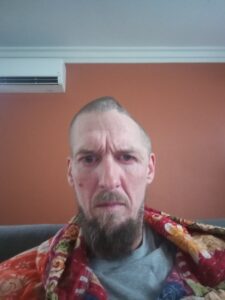
When Brandon Barre woke up after his stroke, half of his skull was missing.
Doctors had performed an emergency craniotomy to save his life after a severe brain bleed. His left side barely worked. His memory felt fragmented. Time itself seemed unreliable; days, weeks, even months blurred together into what he later described as a kind of perpetual Groundhog Day.
And yet, amid one of the most extreme medical experiences a person can survive, Brandon remained unexpectedly calm.
This is a story about craniotomy stroke recovery, but it’s not just about surgery, rehab, or timelines. It’s about identity, mindset, and what happens when your old life disappears overnight, and you’re forced to rebuild from the inside out.
Life Before the Stroke: Movement, Freedom, and Identity
Before his stroke, Brandon lived a life defined by movement and autonomy. He worked in the oil fields as an MWD specialist, spending weeks at a time on drilling rigs. Later, he left what he called “traditional life” behind and spent years traveling the United States in an RV.
He found work wherever he went, producing music festivals, building large-scale art installations, and immersing himself in creative communities. Stability, for Brandon, never meant stillness. It meant freedom.
Stroke wasn’t on his radar. At 46, he was active, independent, and deeply connected to his sense of self.
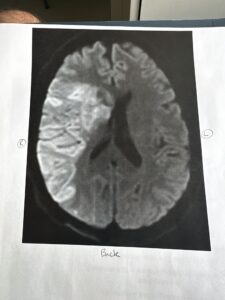
The Stroke and Emergency Craniotomy
The stroke happened in Northern California after a long day of rock climbing with friends. Brandon didn’t notice the warning signs himself; it was others who saw that his arm wasn’t working properly. Later that night, he became profoundly disoriented.
He was found the next morning, still sitting upright in his truck, barely conscious.
Within hours, Brandon was airlifted to UC Davis Medical Center, where doctors removed a blood clot and performed a large craniotomy due to dangerous swelling. Part of his skull was removed and stored while his brain recovered.
He spent 10 days in intensive care, followed by weeks in inpatient rehabilitation.
Remarkably, he reports no physical pain throughout the entire process, a detail that underscores how differently each brain injury unfolds.
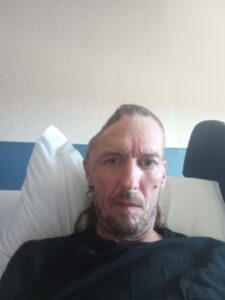
Early Craniotomy Stroke Recovery: Regaining Movement, Losing Certainty
Physically, Brandon’s recovery followed a familiar but still daunting path. Initially, he couldn’t walk. His left arm hung uselessly by his side. Foot drop made even short distances difficult.
But what challenged him most wasn’t just movement; it was orientation.
He struggled to track days, months, and time itself. Short-term memory lapses made planning almost impossible. Writing, once a core part of his identity, became inaccessible. He could form letters, but not their meaning.
This is a common but under-discussed aspect of craniotomy stroke recovery: the loss isn’t only physical. It’s cognitive, emotional, and deeply personal.
“It’s kind of like I’m in this perpetual day ever since the stroke… like Groundhog Day.”
Technology as Independence, Not Convenience
One of the quiet heroes of Brandon’s recovery has been voice-to-text technology.
Because writing and spelling no longer function reliably, Brandon relies on dictation to communicate. Tools like Whisper Flow and built-in phone dictation restored his ability to express ideas, stay connected, and remain independent.
This matters.
For stroke survivors, technology isn’t about productivity. It’s about dignity.
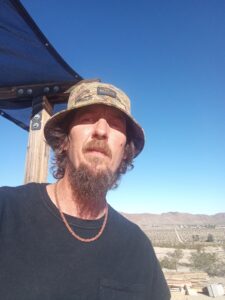
Identity Reset: Slower, Calmer, More Intentional
Perhaps the most striking part of Brandon’s story is how little resentment he carries.
He doesn’t deny frustration. He doesn’t pretend recovery is easy. But he refuses to live in constant rumination.
Instead, he adopted a simple principle: one problem at a time.
That mindset reshaped his lifestyle. He stopped drinking, smoking, and using marijuana. He slowed his pace. He became more deliberate with relationships, finances, and health decisions. He grew closer to his adult daughter than ever before.
The stroke didn’t erase his identity, it refined it.
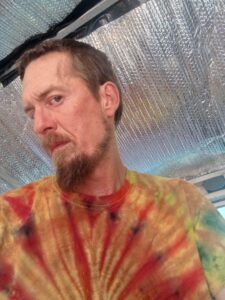
Taking Ownership of Craniotomy Stroke Recovery
A turning point came when Brandon realized he couldn’t rely solely on the medical system.
Insurance changes, rotating doctors, and long waits forced him to educate himself. He turned to what he jokingly calls “YouTube University,” learning from other survivors and clinicians online.
That self-directed approach extended to major medical decisions, including choosing monitoring over immediate invasive heart procedures and calmly approaching a newly discovered brain aneurysm with information rather than fear.
His conclusion is clear:
Recovery belongs to the survivor.
Doctors guide. Therapists assist. But ownership sits with the person doing the living.
A Message for Others on the Journey
Toward the end of the conversation, Brandon offered advice that cuts through fear-based recovery narratives:
Don’t let timelines define you.
Don’t rush because someone says you should.
Don’t stop because someone says you’re “done.”
Every stroke is different. Every brain heals differently.
And recovery, especially after a craniotomy, continues far longer than most people are told.
Moving Forward, One Intentional Step at a Time
Craniotomy stroke recovery isn’t just about regaining movement. It’s about rebuilding trust with your body, reshaping identity, and learning how to live with uncertainty without letting it dominate your life.
Brandon’s story reminds us that even after the most extreme medical events, calm is possible. Growth is possible. And a meaningful life, though different, can still unfold.
Continue Your Recovery Journey
- Learn more: https://recoveryafterstroke.com/book
- Support the podcast: https://patreon.com/recoveryafterstroke
Disclaimer:
This blog is for informational purposes only and does not constitute medical advice. Please consult your doctor before making any changes to your health or recovery plan.
Brandon’s Story: Surviving a Craniotomy, Redefining Identity, and Recovering on His Own Terms
He survived a stroke and craniotomy, then calmly rebuilt his identity, habits, and life one deliberate step at a time.
Research shortcut I use (Turnto.ai)
I used Turnto.ai to find relevant papers and sources in minutes instead of hours.
If you want to try it, here’s my affiliate LINK
You’ll get 10% off, it’s about $2/week, and it supports the podcast.
Highlights:
00:00 Introduction and Background
01:52 Life Before the Stroke
03:32 The Stroke Experience
11:03 Craniotomy Stroke Recovery Journey
17:09 Adjusting to Life Post-Stroke
28:46 Living Independently After Stroke
35:09 Facing New Challenges: Aneurysms and Uncertainty
42:13 Support Systems: Finding Community After Stroke
47:06 Identity Shift: Life Changes Post-Stroke
58:39 Lessons Learned: Insights from the Journey