
One month after ischemic stroke: Tony’s journey reveals real recovery challenges, inspiring rehab tips, and key support for true healing progress!
Facebook
Support The Recovery After Stroke Podcast On Patreon
Highlights:
00:00 Introduction and Acknowledgements
01:13 Tony Barfield’s Stroke Experience
03:42 Hospitalization and Early Recovery
05:11 Post-Stroke Health and Lifestyle Changes
08:01 Daily Life and Physical Challenges
19:38 Family Support and Coping
29:48 Breaking Habits: Overcoming a Soda Addiction
36:57 Finding Healing Through Conversation
48:04 Spreading Awareness & The Role of Faith in Recovery
52:06 Future Outlook and Goals
1:06:29 Closing Remarks and Gratitude
Transcript:
Introduction and Acknowledgements
Bill Gasiamis 0:00
Hello everyone, before we dive into today’s wonderful conversation, I wanted to take a moment to thank you for being a part of this amazing community. Whether you’re sharing the podcast, leaving reviews or simply tuning in each week, Your support makes all the difference. Together, we’re creating a space where stroke survivors and caregivers can feel seen, heard and inspired. If you’ve received tremendous value from these episodes and would like to support the show, please consider visiting patreon.com/recoveryafterstroke.
Bill Gasiamis 0:35
Your generosity helps cover the ongoing costs of recording, hosting and editing and all other production expenses, ensuring we can keep sharing these important conversations. A huge thank you goes to all my supporters. Your support means the world to me and helps ensure that I can continue producing episodes that empower stroke survivors everywhere. I also wanted to address something important, if you’re not in a position to support the podcast financially, simply listening on Spotify or watching the ads on YouTube without skipping them is a huge help.
Tony Barfield’s One Month After Ischemic Stroke Experience
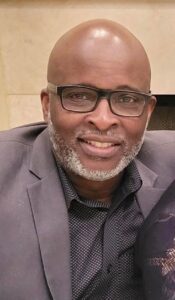
These ads are essential in offsetting some of the production costs and keep these resources alive for stroke survivors and their families and remembering The Unexpected Way That A Stroke Became The Best Thing That Happened. It’s a beacon for hope and practical guidance for many available on Amazon and at recoveryafterstroke.com/book. Today, I’m thrilled to welcome my guest, Tony Barfield, who experienced an ischemic stroke just a month ago. Tony’s journey through early recovery is both inspiring and insightful.
Bill Gasiamis 1:51
Let’s jump in and listen to his powerful story. Tony Barfield, welcome to the podcast.
Tony Barfield 1:58
Thank you, thank you.
Bill Gasiamis 2:00
Tell me a little bit about what happened to you.
Tony Barfield 2:03
Well, mine was recent, you know, January 9. I came home from work. It really wasn’t any symptoms, I really thought I had a stomach ache. When I got home, my stomach was kind of bothering me, and I told my wife to get me something, you know, from I thought my stomach was upset because that’s why I feeling kind of nauseated, because I ate something that maybe I shouldn’t ate earlier in the day. So that’s why I thought it came was kind of spicy.
Tony Barfield 2:29
So that’s why I thought it was it came from, so it’s about, I guess, about seven o’clock when I know that I was laying down on the couch, and I noticed, you know, with my hands on my on my chest, but I knows on my left hand, it kind of slid off my stomach, and I couldn’t control it, you know. So, like I tried to stop it from sliding, and then it just went limp on me. So I kind of propped myself over that nose or left arm. Couldn’t move it at all, lift it up or anything. So I kind of called for my wife. She came in and she seen and I asked her, I said ‘Hey, am I having a stroke?
Tony Barfield 3:05
Because my speech was real slurred, and she looked at my face, as you could see, the left side was kind of droopy. So she called 911, and they came within, man, maybe 20 minutes. So they rushed me to the hospital. You know, me not really knowing what the stroke was all about. I kind of heard them and as they got me on the gurney and rolled me through the hospital, they kept saying ‘Stroke four, stroke four. Which I didn’t know what that was, but when I finally later that, they said ‘You know, you have four hours for the Minister of what they call a clot buster.
Hospitalization and Early Recovery
Bill Gasiamis 3:42
TPA, yeah.
Tony Barfield 3:44
So it was within that four-hour time frame. So, you know, they administer that, and then I found a little, you know, I was able to lift my hand at some point. So I stood, I stayed in the hospital about three days because I still had weakness in my left arm where I could mov, it would come and go. It would just come and go, come and go, and then they had to pretty much learn how to walk again. For somebody, my leg was kind of weak as well. They wouldn’t let me go until I was able to at least walk and keep my balance.
Bill Gasiamis 4:18
How long did you spend in the hospital?
Tony Barfield 4:20
Three days.
Bill Gasiamis 4:21
Three days is that’s the whole lot, and then you went to rehab.
Tony Barfield 4:25
Then I went to rehab from that right which I’m still in rehab right now.
Bill Gasiamis 4:29
I finished physical therapy. How long were you in inpatient rehab?
Tony Barfield 4:37
A month, the whole month of February, the whole month of January after I got out the hospital. So right now I’m doing speech therapy and occupational therapy right now for my left hand and for my left face, is still kind of weak, and my speech is still kind of noticing like I’m talking for more on my right side of my face, more so in the middle of my face. So this is fresh. It was real, it’s brand new. Yes, brand new. So I’m still going through the therapy and a lot that I have learned, so a lot of things that I had to change from for one thing.
One Month After Ischemic Stroke Health and Lifestyle Changes
Tony Barfield 5:11
I don’t know if anybody else has experienced this, but, like my taste buds, like certain foods and smells, if I smell it and it smells funny, I don’t want the things that I used to like to eat, like McDonald’s. So that’s a total turn-off now. So I don’t even want to if I smell it and it smells bad, for some reason, I don’t know why exactly, I don’t even want to eat it. So I just thankful that I guess that’s more so possible. So now I’m eating more, more things that vegetables, lot more fruits now, saying, including the medication.
Bill Gasiamis 5:48
So, how would you say your health was up until now? So you’re 59 years old, and how’s things been up until now?
Tony Barfield 5:57
Health wise? Well, I mean, far as my diet is improved. I lost 10 pounds. You know, when I went to before the stroke, I was like, 193 and my pressure was always up. But I wasn’t monitoring it. I wasn’t paying attention to it, my blood pressure was high and my cholesterol was high as well.
Tony Barfield 6:19
So I wasn’t really paying attention to that. So now, my pressure right now is is normal, and I lost 10 pounds, which the doctor said, that’s pretty good, I’m saying, so imma kind of continue on that trend to kind of maybe lose another five pounds, I guess. I don’t know, because the foods I used to eat, I don’t like them no more.
Bill Gasiamis 6:36
That was one month ago. So you lost 10 pounds in a month, and he’s currently February, near the end of February, what date are we, whether 19th or 20th of February, and you had your strike in January.
Tony Barfield 6:52
January 9, correct, right. Cuz I was because the fools was really turning me off. The things I used to like, it was really turning me off, so I kind of had cut back. I eat more salads and smoothies.
Bill Gasiamis 7:05
Now, any other medical issues up until now? Did you have any other conditions that you had to deal with or manage?
Tony Barfield 7:13
No, not up until now? No, like I said, prior to the stroke, my blood pressure was high, and I knew that, but I wasn’t taking anything. No medication, I was given medication, I just didn’t take it.
Bill Gasiamis 7:27
Okay, do they think that the stroke was caused by the high blood pressure? What are they saying?
Tony Barfield 7:33
Where cholesterol, cholesterol is high too.
Bill Gasiamis 7:37
Do they know, was there a blockage in one of your arteries, or was there something new.
Tony Barfield 7:43
Blockage? Yes, that they seen when they did the scan, they did the brain scan.
Bill Gasiamis 7:50
And then are you expecting any further treatment beyond medication to deal with that? Or they’re not doing any further up.
Daily Life and Physical Challenges
Tony Barfield 8:00
Well, other than the therapy, what I’m going through and I guess over time, if I continue, you know, saying doing the right things for my body and not eating all the crap that I used to eat, he thinking it’s getting better. So this is more so time now. Prayerfully, I’m expecting to go back to work next month, but I still got the weakness in my left arm, so they say that’s the longest, the arm normally takes a little longer to kind of recover.
Bill Gasiamis 8:32
And how you feeling like with your sleep and fatigue? Are you getting tired during the day? Do you need to rest more often.
Tony Barfield 8:40
Rest more often. I do get tired, you know, saying, and I just the day was the first time I drove, actually. So that was pretty good, but it was a little scary, because it felt like the first time I ever drove, driven before. That had anything do the stroke, but yeah, did feel a little weird. So I just took my time, and the doctor said it was okay to kind of gradually start driving, little bit.
Bill Gasiamis 9:03
What kind of work do you do?
Tony Barfield 9:04
I work for a private school here in Georgia, Notre Dame Academy. I work for private school, and I’m a Facility Manager. So I do a Friday that I do a lot of walking, you know, a lot of handyman stuff, like, you know, repairs, you have a lot of physical stuff. So I’m gonna see if I could gradually get back into that. If my body allows me to without any difficulties. I still want to kind of be safe at the same time.
Bill Gasiamis 9:31
Ladders, etc.
Tony Barfield 9:32
Yeah, ladder, exactly, exactly.
Bill Gasiamis 9:35
Well, I have a property maintenance business. I don’t know how much you know about me, but we do painting and repairs and all that kind of stuff. And since the stroke, the main thing with me is weakness on my left side, and my huge issue is Ladder Safety and right I’m very conscious of safety, and we make sure that we all always do the right things and people have the right tools to do their job, etc.
Bill Gasiamis 9:59
Because I don’t want anyone getting injured at work. So this one particular job, literally seven or eight months ago. We had a scaffold on site to make it safe so that we can actually access the high part of this particular building without risk.
Bill Gasiamis 10:17
Let’s take a quick pause here to reflect on Tony’s journey so far, his experience one month after ischemic stroke, reminds us that recovery is both a physical and emotional process filled with both setbacks and triumphs. Stories like Tony’s are why I started this podcast to connect, inspire and offer hope to stroke survivors and their families.
Bill Gasiamis 10:39
If you’re finding value in our conversation, I’d greatly appreciate your support on Patreon. Your contributions help cover essential costs like recording, hosting and editing so we can continue bringing these stories to life. Even the smallest amounts go a long way. Now, Let’s get back to Tony’s story and learn more about his journey towards healing.
Bill Gasiamis 11:01
But I was climbing up the scaffold, the first ladder to go to the first deck of the scaffold, and my left hand just let go of the of the ladder, and wow, I fell backwards onto a metal bar and then onto a timber deck below, and I injured my back, not dramatically, but enough to make it sore for about two weeks. And that all of that happened because my left hand just decided it wasn’t going to hold on and let go, and it does that sometimes I drop things.
Bill Gasiamis 11:40
Sometimes, but that particular day was at the end of the day, and I was going up to do just one last little touch up, and I didn’t make it, I fell down, I spilled the paint everywhere. It was a big disaster, but it could have been worse, because I could have got injured far more than I did.
Tony Barfield 12:02
So you still experiencing weakness in your left hand?
Bill Gasiamis 12:04
You wouldn’t be able to tell if you saw me, it feels really It looks normal. It kind of behaves more normal, but it feels numb, and it has tingling and all that kind of stuff. When I’m tired, the tingling and all those sensations are worse, and then it plays up a little more when I’m tired. So, you know, being the end of the day, it kind of like, just let go. I don’t know, can’t explain it.
Bill Gasiamis 12:32
And thankfully, I was only on the third rung of the ladder, so I had done only three rungs and I wasn’t any higher than that. So it was scary, though, and it’s a real big concern of mine, like, it’s on my mind all the time, and I minimize the amount of time I spend climbing and on ladders and all that type of thing.
Tony Barfield 12:56
Yeah, that’s what I’m kind of expecting. But I’m just hoping I can kind of maybe heal enough to be able to do that. But I’m anticipating to look forward to that, but I just got to see how it is. Because, you know, it’s kind of nerve wrecking, even like I said when I was driving, it’s kind of nerve wracking a little bit, you know, saying having a look to my left and the cars coming by and trying to anticipate what’s going on and to be safe at the same time. So it’s a little nerve wracking. But, I guess that’d that go, you know, over time over.
Bill Gasiamis 13:31
It settles, you adjust and you get used to it. Did you have any vision problems or anything like that?
Tony Barfield 13:36
No vision problems at all. No, not at all. Just the left arm and the left my face, that’s the only thing.
Bill Gasiamis 13:45
The left arm is able to grab the steering wheel of the car quite well or not.
Tony Barfield 13:50
No, I do more so driving with my right hand, the left hand, it’s just rest on the steering wheel. But far as control it nice, I don’t trust it to kind of take control of the steel we’re not on trusted because it’s still weak.
Bill Gasiamis 14:05
Are you left handed or right handed?
Tony Barfield 14:08
Right handed.
Bill Gasiamis 14:09
Okay, that’s all right.
Tony Barfield 14:11
So good thing, and I do the same thing, like you do our whole thing. I don’t grow so many dishes at home with glasses trying to hold it from my left hand, and it slip out my hand. I think I got it just lifting, I’m here, so you gotta do the same thing. Well, I have done the same thing, yes.
Bill Gasiamis 14:30
How’s the family treating it? How are they managing to deal with the fact that you’ve had a stroke, you’re you said your wife was the person who worked out that you were unwell, arranged for 911 to be called the ambulance, etc. How are they managing the whole situation?
Tony Barfield 14:48
Well, she’s been my number one support system, making sure that, I get no take my medication, take me to my appointments. And she’d been the number one supporter. So one for her, I really wouldn’t know what I would do as far as making sure I’m doing the right thing and eating the right stuff. She don’t, she asked me what I want to eat and stuff like that. So I kind of tell her, you know, make sure bring back a salad or something like that or a smoothie or something like that.
Tony Barfield 15:17
So she’s kind of on, been on point with that. And the kids, they’ve been great too. They helped me, I had difficulty in the first climbing up because I got two story house, so it’s been kind of difficult to go up the stairs. So they kind of make sure that if somebody’s behind me while I’m walking up the stairs, and that, so I won’t fall.
Bill Gasiamis 15:36
To go into your bedroom, is that where your bedroom is?
Tony Barfield 15:39
Right, it’s upstairs, correct. That’s been a little bit, it’s gotten better. Going up is a lot easier than coming down for me. You don’t cause the gravity pulling, make sure, I’m kind of safe that way.
Bill Gasiamis 15:56
So your leg, is it also a little bit untrustworthy at the moment. Do you have to give it time to get a little better?
Tony Barfield 16:07
Yes, and I got to really think about, like, lifting it and even taking steps. I got to think, really think about it, especially kind of, you know, like, say, doing the stairs and but walking is pretty good. Getting in and out of the car is a little tough. That’s tough with my legs, but it’s not as bad as my arm.
Bill Gasiamis 16:25
Yeah, coming down the stairs would be, does your knee hold on? Does it buckle little so I had challenges with my knee just collapsing. And then a little bit weird, doing that down the stairs is not a good thing at all. So it really was holding on, etc. So your nails also collapses.
Tony Barfield 16:50
Yeah, collapses, right then, and I don’t know, for some reason right there in the hip joint seemed like a little funny too. So I don’t know what’s that all about, but it’s right there in the hip joint. In my left leg is really bending to get up, you know, bend down and get up. Here’s a little difficult as well.
Bill Gasiamis 17:11
Are your physical therapists aware of those little challenges that you have with your knee and your hip?
Tony Barfield 17:15
Yes, I had a cane at first. My wife bought me a cane at first, but the physical therapy said it the cane is like slowing you down that might cause more problems, because you depending on the cane. So they made me get rid of it, more dependent on the cane.
Bill Gasiamis 17:35
So, you it’s not that dangerous for you to give up the cane. So it felt like it was probably a good move.
Tony Barfield 17:44
Right, more good move was versus a hindrance. To me, they thought about trip over the cane or something like that. So they said ‘No, just get ready for causing winning problem.
Bill Gasiamis 17:56
You know, so and if you’re holding the cane or you’re holding it with your affected hand?
Tony Barfield 18:01
Normal right hand.
Bill Gasiamis 18:04
Okay, so you’re holding it with your right hand, which is not affected, and you’re using that to overcompensate on your right hand so that you’re not putting a lot of pressure on your left side of your body, but then that’s decreasing the movement and the rehabilitation and its ability to do the work and recover.
Tony Barfield 18:30
Right exactly, exactly.
Bill Gasiamis 18:35
For other people watching and listening, I would say that’s a great thing to work towards if you have a cane, or if you have one of those four point canes, like those, right? Whatever they’re called, I think it’s great to work towards not needing that. If you can get rehabilitated and gain the strength back in your legs and in your hips and in your knee, it’s a fantastic thing.
Bill Gasiamis 19:00
Don’t just give it up for no reason. But it sounds like you guys kind of weren’t prescribed the cane. The cane was something that you guys just bought thinking that it was going to be helpful, and your physical therapist kind of thought maybe it’s going to be getting in the way.
Tony Barfield 19:18
Right, correct. My wife just bought it because she seen how I was kind of unstable, a little bit. She thought that would help me kind of much to stability. But I took it to physical therapy, and they kind of watched me walk with it and without it like no it might do more damage, far as hurting myself with the cane.
Family Support and Coping After Ischemic Stroke
Tony Barfield 19:38
Because I guess they thought I was maybe strong enough to do without it, you know, because I put a physical guy. So I gotta force myself to do stuff that, that my body don’t want to do. So, yeah, seeing that it wasn’t right to have a guy that needed so I haven’t used it since then.
Bill Gasiamis 19:57
So, it’s really lovely to have you on the podcast. And I’ve just recently started asking people this question, why? Why are you on the podcast? You’ve had a stroke a month ago. You’re in the middle of rehabilitation. What made you feel the need to reach out and share your story, which I truly appreciate, by the way.
Tony Barfield 20:20
Well, I think, when I first seen I don’t know, I was just researching strokes on internet, youtube, and then I just happened to run across yours. I was like ‘Wow, very informative. So I said ‘Well, for me, people my age, I’ll be 60 next month, I think there’s an awareness that people need to know about these things, especially the health risk with the strokes, and, you know, as far as dieting, know what to eat, and exercising, and your blood pressure levels and stuff like cholesterol levels, so I think it’s just more of awareness.
Tony Barfield 20:52
I want to kind of get the word just some something similar to what you’re doing, get the word spread out about it. Because, I think because, you know, prior to this, and you and my dad, my dad had a stroke, but I didn’t really pay no attention. I didn’t really like educate myself with it, and know how important it was. I severe it could have been, and luckily, he survived, survived into upper point of death.
Tony Barfield 21:14
But I didn’t really never researched it. So when it hit me, I was like ‘Wow, you know, I didn’t. Never thought I would have a stroke. But now it make other people, to make other people wherever. I think it’s important, I think it’s something that I need to do as well. You know, saying to make people aware of the possibility of strokes.
Bill Gasiamis 21:31
How old was your dad when he had a stroke?
Tony Barfield 21:34
My dad was in his 80s when he had the first one that he was with us, but he was in a in the hospital when he had it, and he had, like, multiple strokes, before he passed away, but I seen what he had, kind of broke him down, and I seen what it did to him, as far as him not being able to do certain things after the stroke, but I still with me. I never took it seriously to kind of get in depth and know what a stroke really was. Because I never, you know, stroke, see, when I first had mine, I got, I was so scared.
Tony Barfield 22:11
Because I thought that mean brain surgery, you know, I was so afraid of that. I said ‘I don’t want, nobody, know, cutting on my head, you know, cutting going to my brain. That’s what I was thinking, the first thing I think ‘I said, I’m brain surgery. I thought it was, but not knowing that there’s different types of strokes and you can even have stroke in your sleep. I didn’t even know that. So I had to, kind of learn these certain see certain things. I think everybody needs to know this.
Bill Gasiamis 22:42
So if your dad was 80, how old were you when your dad had his stroke?
Tony Barfield 22:46
I might have been on 50, I’m 59 I might have been 57.
Bill Gasiamis 22:53
so it was a few years ago.
Tony Barfield 22:55
Just a few years ago. Yes, he just passed two years ago. He passed away two years ago, and he and he suffered multiple ones.
Bill Gasiamis 23:07
And he was living with you guys before then.
Tony Barfield 23:10
He was living with us, yeah, he was living with kind of his caretakers at the time, where my wife was, she was doing more caretaker than I was.
Bill Gasiamis 23:18
Yeah, wow. So that’s interesting, that he had a stroke, even then, you’re still not familiar 100% aware of what a stroke is, even though you’re caring for him and he’s around you guys all the time, and now you’re in the similar situation, and it’s a little more, you have more a deeper understanding on what your dad went through as well.
Tony Barfield 23:45
Absolutely. So I’m just, I’m just thankful, I know several people that had strokes where they didn’t live, but still, even with that, I didn’t even know, really what it was, how severe it was or could be. So I’m kind of, I’m really thankful that even when I go to rehab, I see so many patients there that has strokes, and they’re a lot worse condition than I am. Yeah, you know, saying I was going to shape it. So I’m kind of thankful that, me not having to complain do too much complaining about what I’m going through.
Tony Barfield 24:14
Because people have been far greater worse shape than I am that has strokes, so that was a little bit more severe. So I’m really thankful that mine is I’m going through what I’m going through, and that way I can kind of spread the word and tell people what it’s all about, especially from a health standpoint, I think that’s important as well.
Bill Gasiamis 24:40
Your stroke, it’s the first sort of major health issue that you’ve experienced, knowing that your dad passed away soon after. Did you think about the possibility that you might lose this battle, or you might not be here? Or did you have any of those thoughts that come into your mind.
Tony Barfield 25:02
Well, when it first happened, I did, like I said ‘I thought it was automatically mean brain surgery. So, yeah, it was fearful then. But then when time kind of progressed, I learned, I kind of did some research on stroke, different types of strokes, and since my ischemic stroke, I knew that was a blood clot, so which on you don’t kind of damage your brain a little bit. I know it’s gonna take some time, but yeah, in the beginning, when it happened, I did, I was very fearful.
Bill Gasiamis 25:34
How do you deal with it now? How do you deal with knowing that you are vulnerable? You did have a stroke, and, you know, things go wrong sometimes in our health, and we get injured by life. How do you deal with that now? How do you think about it?
Tony Barfield 25:54
Well, my thing is, now, so now, so it’s almost it was like a wake up call for me, because I was eating a lot of bad foods. One taking my medication. I’m saying I used to drink though I was just slammed down those Red Bulls two or three a day. So I that’s cold turkey. So now it’s since, it’s up to me now, now I know far as what I need to put in my body exercise, take my medication and just move on from there. Because I’ve heard, I read that, you have a stroke, you can have another one.
Tony Barfield 26:27
My doctor say the same thing, say ‘Well, you know, you can’t, you can’t have another stroke if you don’t do these things, put these things in places. So I got, I’m kind of cautious now. So I said ‘I’m kind of thankful, I really, it’s a blessing in disguise for me to not know what not to do moving forward. So it’s a kind of blessing in disguise.
Bill Gasiamis 26:45
For did you know how long? How long were you drinking Red Bulls for?
Tony Barfield 26:52
Man, about least five years.
Bill Gasiamis 26:57
Did you know that maybe you shouldn’t be drinking them, or that you should avoid them, or that they’re not good for you. Did you think about that? Did you have any idea about that type of thing?
Tony Barfield 27:09
Yes and no. But I think the sugar had me so addicted, that’s what I’m thinking. Sugar happens and they taste good to me. Sugar, caffeine, and I’m thinking it was giving me energy. Wasn’t really, I just kind of got addicted to it. So I was slammed one in the morning, one for lunch, and one in the afternoon, thinking, I’m getting this energy, and they just really, they taste good, but now, I always have a taste for it. Now, which I’m thankful to that.
Bill Gasiamis 27:40
They took sodas and rebranded them and called them energy drinks, you know. And that’s exactly such a shit move, like, it’s such a terrible move that they did that, and now all you have to do is think about ‘Oh, I’m, yeah, I’m lacking energy, well the only place to get energy is to go get it in a can of Red Bull. Let’s crack one of those open and drink one of those. And if the energy hasn’t really come back yet, well, just have another one that’s like, right. It’s terrible.
Bill Gasiamis 28:08
I mean, it’s an unbelievable thing that I think has happened is they’ve found a way to step away from sodas, because this started to be a lot of talk and a lot of research in the 90s about sodas and how they’re not good for you because they have too much sugar, all that kind of stuff. And then we heard about diet sodas and all that type of thing to try and make sodas seem better and so on. And then this was the master move of rebranding sodas as something else so that they can be consumed and people don’t associate them to the same troubles that that soda has.
Bill Gasiamis 28:49
But three Red Bulls a day for five years, let’s say you did that on average, there were three a day for five years. That’s a lot of caffeine. There’s a lot of potential for heart problems, for brain problems, for arrhythmias in your heart, and it’s just not water, it’s not water, it’s not hydrating you, it’s not offering you anything really, that is nutritional at all.
Tony Barfield 29:13
Absolutely, it’s just a mind thing. I thought it was getting something out of it, but I really wasn’t. Yeah, you know, because of my thing, and I think that’s the sugar that does that, the caffeine that does that, makes people want, want to buy more, but,I don’t even have a taste even it even so with tea, like sweet tea, I try more, like after stroke, and It just has a horrible taste of me now, so I don’t even want it now versus just without sugar.
Breaking Habits: Overcoming a Soda Addiction After Ischemic Stroke
Bill Gasiamis 29:48
Before my stroke, 13 years ago, I went to somebody’s house, my brother’s house, or a family friend, or anybody who knew me, if I went to the house and they knew I was coming, they would have coke in the fridge because I drank coke. And not only that, they knew I had trained everybody that when I’m drinking Coke, I have to drink it in a glass that is full of ice. So when I pour it in there, it’s the entire glass is ice, and then there’s just a little bit of coke so that I can then pour, pour it in again, and it’s ice cold.
Bill Gasiamis 30:25
You know, they knew I had trained people to that extent where they knew that when I went to your house, you served me coke in a glass full of ice, and not Pepsi, not Diet Coke, none of that stuff. I wouldn’t drink it, and that was me. I was addicted to coke. I used to drink maybe two or three cans a day as well, not all the time, but especially at work. At work, we drank a lot, I drank a lot of it, and that was the same thing. I was just doing it because I wasn’t even thinking about it.
Bill Gasiamis 30:55
I was 37 and I had done it for as long as I was, you know, from a teenager when I had to my own pocket money, and I could go buy my own sodas and all that kind of stuff, and mom and dad weren’t in control. That’s, you know, I’ve been doing it for 20 years before I realized that it’s probably not the right thing to do.
Tony Barfield 31:16
Well, you don’t no more, right?
Bill Gasiamis 31:18
No more, after my stroke, I didn’t drink alcohol for five years solid, and I didn’t drink a soda for more than that, and then maybe recently, maybe all up in the last 13 years, maybe I’ve had one can of soda combined, and that’s just because there was nothing else. Or, I don’t know why, you know, just thought I’d have a try of it, and it was terrible, and I didn’t enjoy it. Yeah, so, and it doesn’t make me feel well when I have when I drink something that’s very sweet. It impacts my my left side real bad. It makes it more numb, more fatigued, more sensitive, and it’s not worth it,.
Tony Barfield 32:06
No, absolutely, yeah, it’s not.
Bill Gasiamis 32:08
So, yeah, that’s the thing about, you know, just doing things having habits, and not being mindful of what you’re doing and what you’re putting in your body and what impact it’s having, that’s the crazy thing. Alcohol should be off the table as well from now on.
Tony Barfield 32:26
But I never drunk, so that was, I guess it was a plus, but I don’t rank at all.
Bill Gasiamis 32:34
That was a huge plus. So yes, and did you ever smoke?
Tony Barfield 32:39
Don’t, never smoke.
Bill Gasiamis 32:40
Yeah, so then, what’s the future look like for you? I very rarely get to interview people who are so early on in their stroke journey. So what are you feeling? What are you thinking about? What the future holds? How are you going to move forward?
Tony Barfield 32:59
Well, I’m hoping, if there’s such things as 100% recovery, I’m hoping that takes place and get back to my old self, but just be more conscious, like I said, of my blood pressure, my cholesterol levels, you know, exercising more, doing things like that, moving forward so and like I said, just educating people, spreading the word with individuals, for to know what not to do, health wise.
Tony Barfield 33:32
So I know it’d probably be a journey. I don’t know how long have you been since you had your stroke? But I couldn’t even tell when I first seen your video. I couldn’t even tell know that you had a stroke. I couldn’t even tell it off.
Bill Gasiamis 33:45
That’s one of the difficulties with my situation, is that when people see me, they don’t know that I’ve had a stroke, they don’t know that I’ve had brain surgery, they don’t know that I had to learn how to walk again. They don’t know what my left side feels like. Actually, I never want them to know, but it’s a little bit invisible. My deficits are all invisible, so I have to manage some situations sometimes, and I have to just, kindly, just let people know that I’m not up for something, or I’m not capable of something, or this is not for me.
Bill Gasiamis 34:20
And oftentimes it’s just sort of saying ‘Yeah, I’m not interested in that. And if they persist with trying to convince me to do something that I’m not up to doing, then I’ll have to, you know how to stroke. And I had brain surgery, so I’m a little bit sensitive to certain things, and I can’t do it. So I tried to avoid the conversation, if I can, but if necessary, then I just inform people of the situation and why I might look okay, but I’m different than you. I have some different issues that you can’t see. So that usually works, and that usually gets people sort of settling down, right?
Bill Gasiamis 35:00
The other thing about about my situation is that the damage that was done in my head was permanent after the brain surgery. So in order to remove the faulty blood vessel that was in my head that burst, they actually physically had to damage my brain. They had to remove a blood vessel, and that negatively impacted my brain. Not only that, they had to go in from behind my ear, and they had to go in four centimeters, which is around two inches from my ear, into the center of my brain, where near the cerebellum.
Bill Gasiamis 35:36
So they’re going to get past a lot of brain matter to get there, and it’s possible to interfere with a lot of the brain as you’re going through. So when I woke up that the deficits that I had were permanent and they’re not going to change. So my journey of recovery, I feel like I’m fully recovered, but I have the scars, they have invisible scars, as well as the scar on the back of my head, the invisible scars of the brain surgery, and that’s the only way I can describe it, to people who have never had a stroke, is like, you know, some people have sports injury.
Bill Gasiamis 36:15
And they’ve damaged their knee or their ankle or their elbow or something, or their shoulder, and they are perfectly healthy and going about business, but they’ve always got a knee injury, or they’ve always got the shoulder injury, and it always lets them know that ‘Hey, I’m still here, and this thing hasn’t really healed. So that’s kind of me, that’s the sort of situation that I’m in, and also that does impact my mental health in a way, where I wake up some mornings and I often feel like ‘Oh man, like this thing is still here. 13 years later, my leg is still feeling like this.
Finding Healing Through Conversation After Ischemic Stroke
Bill Gasiamis 36:57
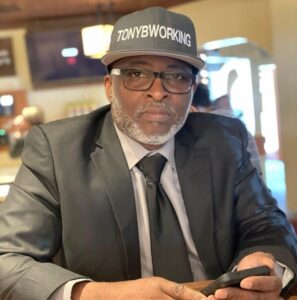
I’m still getting out of bed and it’s weird and all this kind of stuff, right? So I’ve still got to, I’ve still got to kind of bring myself around, from feeling sorry for myself, from feeling bad about it, and trying to just come back to focusing on my blessings to have some gratitude on all the things that went well and then the podcast actually helps me with this journey as well, because I get to talk about it once an episode with all my amazing guests, you know, for 340 episodes now.
Bill Gasiamis 37:33
So it’s like, I’m not, I haven’t fully recovered, but I’m well and I’m healthy, I’m appreciative, and I’m going about life. Do you know what I mean right? When people ask me, though ‘How’s your health? I know they’re being polite, so I don’t have the whole conversation with them. I just say ‘I’m good, I’m actually doing well, thank you.
Tony Barfield 37:59
So, for you, the podcast is almost like therapy.
Bill Gasiamis 38:02
Indeed, it is. It really is, yep. And I was in therapy. So for people who don’t know about me, who are just finding the podcast and just learning about me, I was in therapy for probably about 10, years before my stroke and talk therapy, it was me just chatting to a counselor every so often to download, to get things off my mind, to help me understand myself, my world, my situation, all that kind of thing. So I had a real good habit of talking and expressing and getting things off my chest and out of my head, and then after stroke.
Bill Gasiamis 38:44
Well, I just continued that, because it was so useful and helpful, I continued that. And I still go to therapy, not as often, and I don’t need it as often, but sometimes I have, you know, we have a bad run in family. Something goes wrong, you know, somebody gets comes unwell, and as much as I support my wife, and she supports me, sometimes I need support from a neutral member that’s not part of the family, that can guide me, advise me, or even ask, even say, like ‘Maybe it’s you, Bill, Maybe you’re the problem.
Bill Gasiamis 39:21
Maybe you haven’t worked out that this drama that is is occurring is because of you. And it’s like ‘Oh, okay, that’s why I go. The talk therapy is amazing, the podcast supplements that for me. So when I interview people, and I they share their story like you, and I help you reach other people and create awareness. That’s exactly why I started my podcast. I wanted to do that, but I didn’t want to do it alone. I wanted a team of people to do it with me, and that’s what you guys are. You’re part of my team, and we express that and we make a difference.
Bill Gasiamis 39:57
Because I’ve had podcasts I’ve interviewed people about their stroke and then they’ve explained their symptoms. And I had a lady once who sent me a message to say that she researched the symptoms, right? She researched a pain in the neck, blah, blah, blah, some kind of weird search, and it showed her a YouTube video of somebody who I interviewed who had the same symptoms, and that lady was experiencing a they called it a vertebral artery dissection, so she had some damage inside her blood vessel, and that was causing a clot, and that was causing a stroke.
Bill Gasiamis 40:36
Before she had the stroke, she found the podcast episode, she went to the hospital and told them, I’m having a stroke. You guys need to check my neck. Immediately they did, and they avoided the whole thing.
Tony Barfield 40:52
Wow, amazing.
Bill Gasiamis 40:54
That’s amazing. So it’s brilliant, this whole thing is brilliant. The the journey for me, I can’t see it ending this whole recovery and talking about it and putting information out there. I don’t think it’s something that I’m going to stop doing anytime soon. Whenever I’m not doing it, I’m always thinking, it’s been a while, you know, I should have had an episode out by now. I should have recorded something by now. So that’s kind of my journey. And being a month in, I try to and also coach stroke survivors.
Bill Gasiamis 41:25
So I try to explain to them what to be patient if you can have develop patience that is such an important skill, because what that does is that takes your mind away from all the things you can’t control, and allows you to come back and just deal with the things you can control, like your food intake. Perfect example, you know that is, it doesn’t cost you extra. You don’t have to go anywhere to do it. You just have to be mindful of what goes in your mouth. And if it’s not healing you, it might be harming you, and that’s kind of how you have to think about it.
Bill Gasiamis 42:02
So if people can be patient during stroke recovery, I know I’m simplifying it, and it’s not my intention to simplify, but if people can be patient, then recovery happens better. And when somebody has had a stroke and they’ve had it a month ago or six weeks ago, I tried to describe it as it’s like you just walked into the coffee table and you just hit your toe. That’s how early on in the recovery you are, like you just did it, and now you’re in ‘Oh man, this thing has to stop hurting for a while. Then it has to stop throbbing, and then you have to check it and see if it’s broken.
Bill Gasiamis 42:46
And then you have to help her rehabilitate it, and then three weeks later, you’re putting your shoe on and it’s a bit tighter, and you’re going ‘Oh my God, that’s the toe that I smashed on the coffee table couple of weeks ago. So that’s how I try to bring people into understanding what stroke is. It’s definitely a journey, it’s not a broken bone. You don’t heal from stroke in six weeks, and then you put your shoe on, and you’re you’re in business, your brain takes a lot longer to heal, and it needs you to stop getting in the way of healing it.
Bill Gasiamis 43:19
Because some people don’t realize that by eating, continuing to drink sodas, continuing to drink alcohol after a stroke, continuing to eat at McDonald’s, for example, you’re delaying the recovery of that brain, and you’re extending the healing time that it’s going to take, and you’re impacting it negatively. And you need to also get out of your own way from your brain’s recovery and not be the person who’s making the recovery worse.
Tony Barfield 43:49
That makes a lot of sense, but I don’t think you should never stop. I think you need to continue, you know, spreading the word, educating people on what was going on, because it’s more I don’t think strokes are going to stop.
Bill Gasiamis 44:08
Indeed, they’re not.
Tony Barfield 44:09
Right, they’re not going to stop.
Bill Gasiamis 44:10
So, I put out this weird thing a couple of months ago. I said it like for the first time, I think we’re going to record 1000 of these podcasts, and I’m at 340 and it’s taken me from 2000 and about 15 to now. It’s taken me 10 years to get to 340 so really, wow, I’ve got a long way to go, right?
Tony Barfield 44:37
So do people contact you every day. I mean, how does that happen?
Bill Gasiamis 44:43
Almost every day now, yeah.
Tony Barfield 44:45
Nice, nice.
Bill Gasiamis 44:46
At the beginning, I was reaching out to people on social media and just saying ‘Hey, I’ve had a stroke. I know you’ve had a stroke. You’re talking about it on your social media. Would you mind sharing it on the podcast? And they would come on, and they would join me. And it was a lot of work to find people, because I had to do the research and find them. And then I created a contact page, the same one that you filled out.
Bill Gasiamis 45:09
And I said ‘What am I just start talking about, inviting people onto the podcast during the show and tell them to go to my contact page, let them fill it out, and then they’ll find it. So what’s good about it is the website is now gaining what’s the word? Google is sort of deciding that it’s worth showing to a lot of people, and that’s where I’m finding my new viewers and new listeners. People are doing a first Google search, my show comes up the first time and bang, they’re all over it ‘Okay, oh my God, there’s 340 episodes.
Bill Gasiamis 45:44
Let me start listening, and then it’s ‘Oh, he wants us to reach out and be on the podcast. Let me send him an email. And there’s only one thing to qualify for my podcast that you need. Unfortunately, you only need to have had a stroke and you’ve had a stroke, qualify, and it’s a terrible way to qualify for something, but that’s the only prerequisite.
Tony Barfield 46:08
Well, I didn’t, you know. I didn’t think I thought you just had so many people waiting to get in, I didn’t think, you know, responding so fast. I like, wow, yeah, and we, I was gonna be chosen.
Bill Gasiamis 46:18
And I do sometimes there’s 10, 12, 13 podcasts. Booked in because you have that booking calendar. I have a couple of slots. I have two slots on a Saturday, and sometimes I have two slots on a Friday and what I do is I allow people to just go and pick the one that suits them, going forward about six weeks into my calendar, so my calendar has got bookings for the next six weeks and I’m always talking to somebody, and that is just, that’s how many there are.
Bill Gasiamis 46:53
So there may be, there may not be 12 episodes booked, but there’s probably, there’s probably about eight or nine booked, so it’s cool, man, like it’s so good, and it’s, as you can see, it’s very simple to do. Most people will get the notifications in the email inbox that it’s confirmed. Here’s the link to the YouTube to the Zoom video, and I mean, it’s straightforward, I try and make it as easy as possible so that a stroke survivor who’s challenged, you know, doesn’t have to overthink things and and worry about it too much.
Bill Gasiamis 47:37
I’ve had people on the podcast who can’t speak Tony, like, can’t speak it because I have aphasia still. So everyone is welcome. You don’t have to sound and be perfect or anything like that. You’re welcome at any time, and we’ll work it out. We’ve got technology to work it out if we have to, you know? So, yeah, I love it, and I’m just so grateful that people like you just reach out and say ‘Let’s have a conversation.
Spreading Awareness & The Role of Faith in Recovery After Ischemic Stroke

Bill Gasiamis 48:07
It’s the thing that I was missing, you know, when I was going through it at the beginning, it’s like ‘Man, why is there nothing for stroke? And there’s so much for cancer and heart and all this stuff. It’s like, we need something for stroke. That’s the whole reason it exists.
Tony Barfield 48:21
Absolutely, yeah, I think it’s a great way to get, you know, spread the word, like I said. So I’m thankful that I did get chosen and kind of helped spread the word as well. So, yeah, because I still a lot of people with, like, friends of mine, they don’t know. I mean, my church family knows, they know, school where I work at they know. But, you know, I got a big social media viewer, they don’t know. But I’m after this I’m gonna, if you allow me to put this podcast on my social media page.
Bill Gasiamis 48:57
Yeah, right, when it’s live, for sure. Yeah, I’ll share some images that you can use and the links and all that kind of stuff. And, yeah, you can share that and let people know. So tell me about your faith and how, what kind of a role that’s played in in this whole journey.
Tony Barfield 49:16
Well, I definitely believe in God. I believe God has kind of blessed me to get to this point like, when the stroke force happened. I was saying ‘You know, I was like, telling God, asking God, well, why me? You know what? You know, why? I gotta go through this. But now, over time, a little tear, I said, ‘Well, God probably doing this for me to spread the word to make other people will. So I can be a testimony to other people and how I overcame this, and what to do and what not to do.
Tony Barfield 49:50
So I think, like I said, it’s a blessing in disguise. I really believe that the blessing of the sky. So I really believe God, you know, I know he works everything out on his own time, you know, I just truly believe that he has something else for me to do that maybe I didn’t want to do, I was going to different ways, but this is the path that I need to go now in my life, you know. So I said it’s a blessing. It’s definitely a blessing in disguise for me to experience the answers of being a survivor as well, because it could have been other way around.
Tony Barfield 49:51
Like I said, I know some people who had strokes or anything and they passed away, so I’m here for a reason. You’re here for a reason, and we connected for a reason. So I think it all was going to work out. So I definitely believe God has a hand in all of this, I truly believe that. So, just for me, to do the right thing from this point on.
Bill Gasiamis 50:48
And were you a regular at church on a Sunday? Is that Sunday that you did regularly?
Tony Barfield 50:53
Absolutely, yeah, actually, I’m a deacon in my church. Yeah, I’m a deacon. So, I’m a faithful member, and I haven’t been consistent stroke, because it’s a little tough for me to get up, can’t drive and stuff like that, so a little tough for me to and I read for my pastor, say I was one of the one that read for my pastor. So I haven’t done that in a while, but I’m gonna try to gradually get back into that, since my strength is a little better, because after stroke, I got so tired doing little nothing.
Tony Barfield 51:27
So now that my strength is a little bit imma, kind of gradually go back into my role and attend a little bit more, because I enjoy going to church. I really do enjoy going to church and being around the members. So I just believe, like I said, this is the way God has opened my eyes on certain things and allow me to be a testimony to somebody else who may be going through and maybe knowing not what to do. So I’m all, I’m always going to say as a it’s a blessing in disguise.
Bill Gasiamis 51:56
Man, that’ll be a good day the first day you get back to church.
Tony Barfield 51:59
Yeah, absolutely, real good, so that I can celebrate with her myself.
Future Outlook and Goals After Ischemic Stroke
Bill Gasiamis 52:06
Yes, and with work, how are you talking to your employer about your time off and then how you’re going to transition back? What that is that discussion like?
Tony Barfield 52:21
Well, I had, actually, I had that discussion last week, and from my primary doctor, because he going to try to allow me to go back and just gradually, and I do have a good Michael, say, a co worker, but he’s like my sidekick that has been covering for me since I’ve been going, and that’s really been doing a good job. And I just want to give a shout out to him. His name is Wes Tillerson, so he been doing a great job. So Imma, try to get back next month.
Tony Barfield 52:49
And just gradually, gradually go in there to see how things, see how things go, and if, and physically if I’m able to continue to do the same thing that I’ve been doing, and I’m just going to see how that goes. And they, I mean, they give me the time they told me to come back, you know, when I’m able. So that’s a blessing too, because they, they could’ve, fired me because I haven’t been there, but it, they give me the time to recover, and they understand. So I appreciate the school as well and the staff allowing me to take my time to come back.
Bill Gasiamis 53:23
Yeah, and is your medical insurance part of your employment at the school?
Tony Barfield 53:29
Yes, it has been helping out, be able to take it incur some of the costs. And it’s not, it has been 100% out of my pocket. So the insurance been covering a lot of it, and still is so. And it was exactly thinking about after, you know, on my vacation time and everything, if that would have wore it out then I had short term disability that would have kicked in, but that would only cover like 80% of my pay.
Tony Barfield 53:59
So, I mean, so far so good. I still believe to pay my bills and keep everything for my wife, she doesn’t work, so I still need to keep everything, keep all the lights on, food on the table. That’s been a blessing of will.
Bill Gasiamis 54:14
Yeah, it’s interesting, isn’t it? Like stroke really decreases your ability to be productive and get back to work and do the things that you need to do for your family, for you know, to cover your obligations, to meet your payments for whatever you’re doing. Like, it’s just a it’s just such a difficult thing, like, it just takes space in all these places, and it makes it really difficult for for people to manage that, and I know that then people also, at the worst time, they get medical bills, you know.
Bill Gasiamis 54:47
Then they have to deal with medical bills, but they’re dealing with them at the same time that they can’t work. And it’s like, it’s a catch 22 you can’t go one way. You can’t go the other. It’s really difficult. Alright, so it sounds like everything’s kind of working out really well for you right now. Things are sort of in the really good place, and you’ve got everything you need to move forward and continue healing, right?
Tony Barfield 55:16
I mean, I’m not up under any type of pressure as far as going back and returning back to work. So that’s a good thing. And it is told me ‘Hey, whenever you’re ready to come back, come back, and everything can still be here waiting for you. So they want me to come back. No strong and I guess not 100% but being able to kind of perform some of the duties, whatever, like I was before the stroke.
Tony Barfield 55:37
So they haven’t, they have a pressure man at all. So that’s one thing that I appreciate the school for, for being that understanding and praying for me as well. So, yeah, so it’s just good. I’m in a good place right now.
Bill Gasiamis 55:52
And the kids, are they still living with you guys?
Tony Barfield 55:57
Yes, I got my son, who’s 15, and I have a grandson that’s 13, that’s living with me. He’s the one they kind of help out as well. Boys gonna be boys, you know, they still kind of get on my nerve a little bit, yeah, that kind of, I kind of explained to him. I don’t need all the stress and all the fighting and wrestling in the house. So they’re teenagers, so they’re gonna do that, but, yeah, they’ve been a great help as well.
Bill Gasiamis 56:25
So your grandson is 13 and your son is 15, right?
Tony Barfield 56:30
My youngest son is 15 years, yeah.
Bill Gasiamis 56:32
So your grandson is wrestling with his uncle?
Tony Barfield 56:37
Exactly, exactly.
Bill Gasiamis 56:38
And the misbehaving your and your son as an uncle should be more responsible.
Tony Barfield 56:44
He should be right. He’s right in with the Father, he’s right there with just hardly, kind of keep them to they’re so competitive. Yeah, both of them play basketball, so they’re so competitive amongst each other. So there’s always something going on in the house and I can hear all the noise downstairs that’s going on upstairs.
Bill Gasiamis 57:04
Yeah, if I was a 15 year old uncle of a 13 year old, I’d be pulling prank on them all.
Tony Barfield 57:12
And he does, he lets him know. Who’s the oldest, but the 13 year old, he’s a little tough for two so he was tough. He was a tough kid, so he don’t try to get away with the stuff. But yes, it’s kind of funny at the same time.
Bill Gasiamis 57:26
Yeah, it’s hilarious. My kids were the first time, were 11 and and 15 when I had the first stroke, and then all through the whole second and third lead and brain surgery and learning how to walk in, they were still teenagers the whole time. And man, it was hard, because when I was really unwell and had fatigue and needed calm and quiet, because noise made my brain hurt and and fighting made me exhausted and all that kind of stuff, they just wouldn’t.
Bill Gasiamis 58:00
They just wouldn’t. I couldn’t get them to calm down. And I know you’re teenagers and they’re just being teenagers, but you really need to stop doing what you’re doing, because I can’t cope. I’m at my wit’s end.
Tony Barfield 58:13
I understand, I get.
Bill Gasiamis 58:19
Yeah, you have to give them a little bit of grace, because they are going through that phase in their life, and they’re just doing what every teenager would do, but that’s still hard, really hard.
Tony Barfield 58:30
It is hard so that part they don’t understand, because they just think ‘Oh, that’s just there, do what we do. Yes, they don’t understand that part. And I hate to raise my voice to get my point and call, because it wheels me out, same time. So I just tell him say ‘Man, y’all got to understand that noise is driving me crazy. Yeah, you know. But these teenagers, so I expect that. So I’d like you said I had to have another grace with him.
Bill Gasiamis 58:58
And that’s that part where, when you don’t look like you’ve had a stroke, trying to convince a teenager that when you’ve actually had is really serious, and it’s really difficult to deal with. It’s even harder, I mean, it’s impossible. You look fine and you’re just grumpy. You’re just yelling, right? Whatever.
Tony Barfield 59:18
Yeah, Mr. Bad guy, right. And my wife, she just don’t, you know, she don’t hear what I hear, because she like the noise is even louder, versus before the stroke, yeah, so just to look things they do, is just, I get annoyed by it, but they don’t realize what they’re doing, but they just don’t being, being bored. So, yeah, I kind of cope with it at the same time.
Bill Gasiamis 59:41
It’s interesting that you said the noises are loud, they’re more irritating, aren’t they? They’re the same noises, but they’re more irritating.
Tony Barfield 59:47
They live more irritated. Yeah, any little thing kind of irritates me not look far as noise wise. So that why I don’t try to raise my voice as much, because that even irritates me. It was kind of exhausting to even do that. I kind of had to say ‘Okay, well, then we kind of block it out some kind of way. But yeah.
Bill Gasiamis 1:00:06
This is the part where expanding ourselves, like us, learning and growing and doing things differently is really important, because you can’t go at the teenagers the way that you used to. That’s what I stopped doing, is I stopped going at them the way I used to, as well to so that helped improve the situation for me a little bit, I wasn’t irritating myself further than they had already irritated me.
Bill Gasiamis 1:00:33
And then I was trying to develop new ways to communicate, talking, explaining over and over, you know, to try and get them to shift their behavior without me doing it the old way, because the old way didn’t work anyway, and it wasn’t working now, right?
Tony Barfield 1:00:50
Right, exactly.
Bill Gasiamis 1:00:51
‘Okay, we need a new way. What is that? Is there one right?
Tony Barfield 1:00:56
And me, you know, growing up with my father, my dad is, ex military guy, so he’s got no zero nonsense, you know, since I gotta use that approach that that’s how I grew up. But I don’t, I just, I give up with that one. So I’m trying to do a lot more explaining to him, versus the whole Old School. I’m old school anyway, so that, you know, with your new kids today, that don’t work.
Tony Barfield 1:01:23
Yeah, it doesn’t work. But, I try to be a little bit more patient with them so I can kind of have a better understanding within myself, I won’t wear myself out by doing, you know, doing all that. So, yeah, I had to be a little bit more patient with them.
Bill Gasiamis 1:01:37
You have to step up, even though you’re the one that’s going through recovery, you have to step up as well.
Tony Barfield 1:01:45
Yeah, exactly, exactly.
Bill Gasiamis 1:01:47
Tell me about what do you think has been the hardest thing about stroke for you so far? Do you think?
Tony Barfield 1:01:55
Well, I think trying to get back to the norm and like I said, I was always kind of busy and active. So now I see myself as not being that now. So that’s that’s kind of a little difficult challenge for me, because I was always the one that’s doing things and moving and stuff and getting things done. So now I’m at a limitation now, because any little thing we was a little worse in the beginning. I just get so tired, so easy, you know, I don’t know, just trying to overthink things, or whatever it is.
Tony Barfield 1:02:25
But just the exhaust, being exhausted, a lot more that’s a little more I had to get used to, and I try to do things, but I just wear myself out. Even from taking a shower, simple shower that I get exhausted from doing that, you know, just really exhausted, taking a shower, and I had to come out of the shower and kind of stretch across the bed a little bit, just kind of, kind of recuperate from that.
Tony Barfield 1:02:50
So, that’s, that’s been a little challenge. So I guess over time, I’m hoping, I’m praying, over time, that’ll get better, and it has gotten better. So I’m just thinking that’ll get better over time.
Bill Gasiamis 1:03:01
It will, yeah, it’ll continue to improve. What has stroke taught you? What have been the lessons that you’ve taken out of this at the moment?
Tony Barfield 1:03:12
Well, like I said, the main thing is health, my diet, my blood pressure, what I eat. That has taught me, that has taught me that because I wasn’t doing it. Bill, I’m serious. I mean, I would eat junk food, like I said, I had high blood pressure. I know I had high blood pressure and I was on medication, but I never take it. I never took it because it made me a little nauseous at the time. It made me sick a little bit, so I wouldn’t take it, but my pressure was always 190 over 90.
Tony Barfield 1:03:47
Something always, you know. So now it’s made me more aware of my blood pressure, and I check it every day, least two or three times a day. Make sure it’s normal. I make sure I take my medication, I make sure I’m eating the right stuff, putting the right stuff in my mouth and drinking the right things. I drink more water than I have it, I think I have ever done in my life now. So those things are kind of taught me some things, and there’s certain foods that I used to eat, I just don’t want them no more, which I like I said, I think that’s a blessing.
Tony Barfield 1:04:19
So that’s what it has taught me and just being aware of my body, just overall, being aware of my body and recognize certain things that it’s doing, you know, saying so that’s kind of taught me what to recognize certain things within myself.
Bill Gasiamis 1:04:34
Yeah, that’s good, since you joined us specifically to spread awareness and to reach other people. What is something that you’d like to let people know about, like, what kind of like? Is there some wisdom that has downloaded from somewhere that you’d like to pass on let people know about this whole situation?
Tony Barfield 1:05:01
Well, absolutely, I think everyone should be considered a diet. I think that’s the major thing with any health condition, is your diet, and what are you eating what are you drinking, exercise. I think that’s important, and this ‘Listen to your body. Just listen to it now, even though, at the time I was having a stroke, I didn’t, I don’t know, I wasn’t aware of any symptoms, but prior to that, I knew with some things that I should have done that I wasn’t doing. So now that has heightened my awareness now on what to do and what not to do.
Tony Barfield 1:05:37
So I think I would spread that message across the board, as far as just listen to your body and just make sure you’re taking care of your body. Because we only got one life. We only have one life, and we only got one body. We need to take care of it, you know. And if we even go by with this, even spiritually this, you know, this body is a temple, and we need to make sure we’re taking care of the temple. So that’s important, that what I would spread to anyone that’s listening.
Bill Gasiamis 1:06:06
Yes, beautiful Tony, I really appreciate you reaching out so early on in your recovery and making it about other people. I hope this interview and the podcast continues to help you. Thank you so much for joining me.
Tony Barfield 1:06:23
And thank you, and I appreciate what you’re doing and continue to do and I support you any way that you need me to help you.
Closing Remarks and Gratitude
Bill Gasiamis 1:06:29
Well, that brings us to the end of another episode with Tony Barfield, from his experience one month after ischemic stroke to his ongoing recovery journey. Tony’s story is a powerful reminder of the resilience of the human spirit. If today’s conversation resonated with you, please consider leaving a comment, liking and subscribing, whether you’re watching on YouTube or listening on your favorite podcast platform, a five-star rating or a review helps others discover this community of support.
Bill Gasiamis 1:07:03
Remember to check out my book, The Unexpected Way That A Stroke Became The Best Thing That Happened, available on Amazon or at recoveryafterstroke.com/book, and if you’d like to support the podcast directly, please visit patreon.com/recoveryafterstroke. Your support helps cover the ongoing costs of recording, hosting, editing and much more, ensuring that we can keep sharing these valuable stories. Thank you for being here and listening and making this podcast a part of your recovery journey. I’ll see you in the next episode.
Intro 1:07:38
Importantly, we present many podcasts designed to give you an insight and understanding into the experiences of other individuals. Opinions and treatment protocols discussed during any podcast are the individual’s own experience, and we do not necessarily share the same opinion, nor do we recommend any treatment protocol discussed all content on this website and any linked blog podcast or video material controlled this website, or content, is created and produced for information or purposes only, and is largely based on the personal experience of Bill Gasiamis.
Intro 1:08:08
The content is intended to complement your medical treatment and support healing. It is not intended to be a substitute for professional medical advice and should not be relied on as health advice. The information is general and may not be suitable for your personal injuries, circumstances or health objectives. Do not use our content as a standalone resource to diagnose, treat, cure or prevent any disease for therapeutic purposes or as a substitute for the advice of a health professional.
Intro 1:08:32
Never delay seeking advice or disregard the advice of a medical professional, your doctor or your rehabilitation program based on our content, if you have any questions or concerns about your health or medical condition, please seek guidance from a doctor or other medical professional. If you are experiencing a health emergency or think you might be call triple zero if in Australia or your local emergency number immediately for emergency assistance or go to the nearest hospital emergency department.
Intro 1:08:57
Medical information changes constantly, while we aim to provide current quality information in our content. We do not provide any guarantees and assume no legal liability or responsibility for the accuracy, currency or completeness of the content. If you choose to rely on any information within our content, you do so solely at your own risk. We are careful with links we provide, however, third party links from our website are followed at your own risk, and we are not responsible for any information you find there.